
Classic Africa News Vol. 4, 2026
Real Lions of the Linyanti
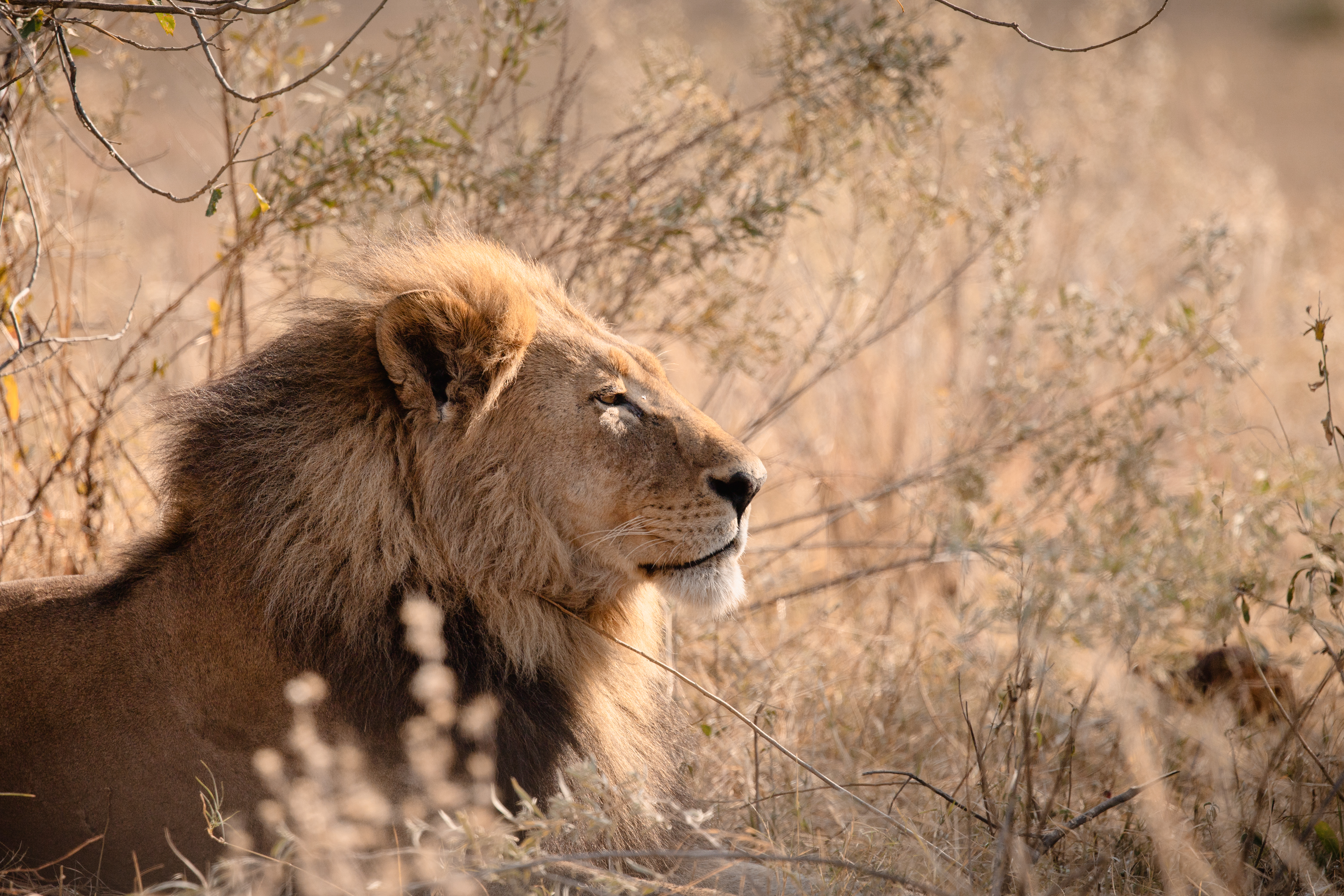 Botswana’s Greater Chobe Ecosystem, comprising Chobe National Park and the surrounding private reserves are part of a vast, unfenced wilderness area that encompasses all of northern Botswana, as well as north-eastern Zimbabwe, Namibia’s Caprivi Strip, and southern Angola. It is most famous as the home of Africa's largest elephant population but, as first highlighted by Dereck and Beverly Joubert in their Emmy winning documentary “Eternal Enemies”, predators are just as much part of the fabric of this harsh landscape.
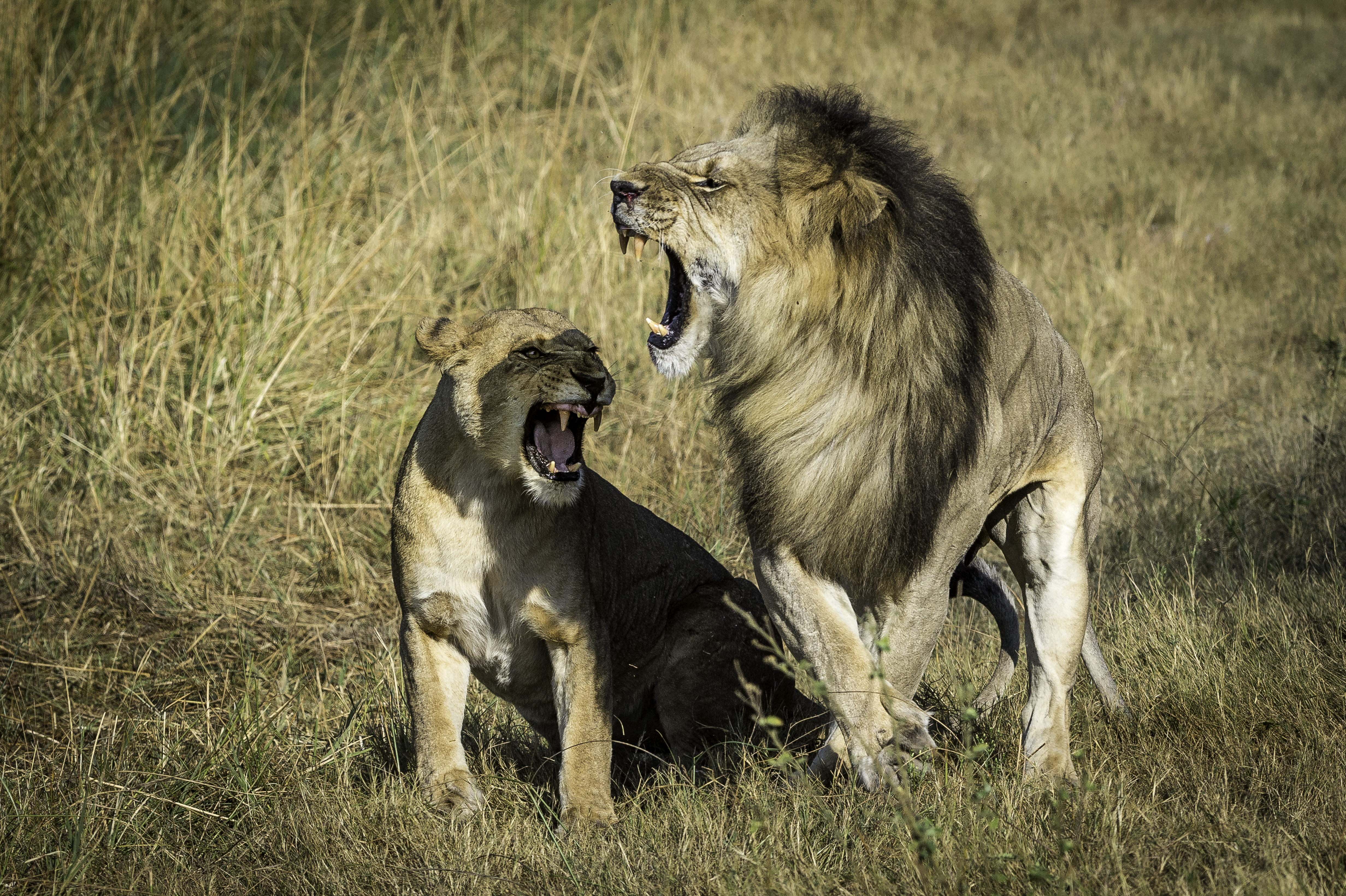
The Linyanti Reserve is currently hosting a lion-drama of epic proportions as large male coalitions battle for dominance of the Linyanti and neighboring Selinda concessions, and huge prides of lionesses flourish in the stable environment created by the reigning Army Boys (Toppers, Onix, Quartz, Jasper, Larminer and Magwagwa). This formidable coalition swept into the area four years ago, from the eastern regions of the Okavango Delta, displacing the incumbent Golden Boys (so-named for their impressive golden manes), and establishing a level of dominance that withstood all external threats for four years.
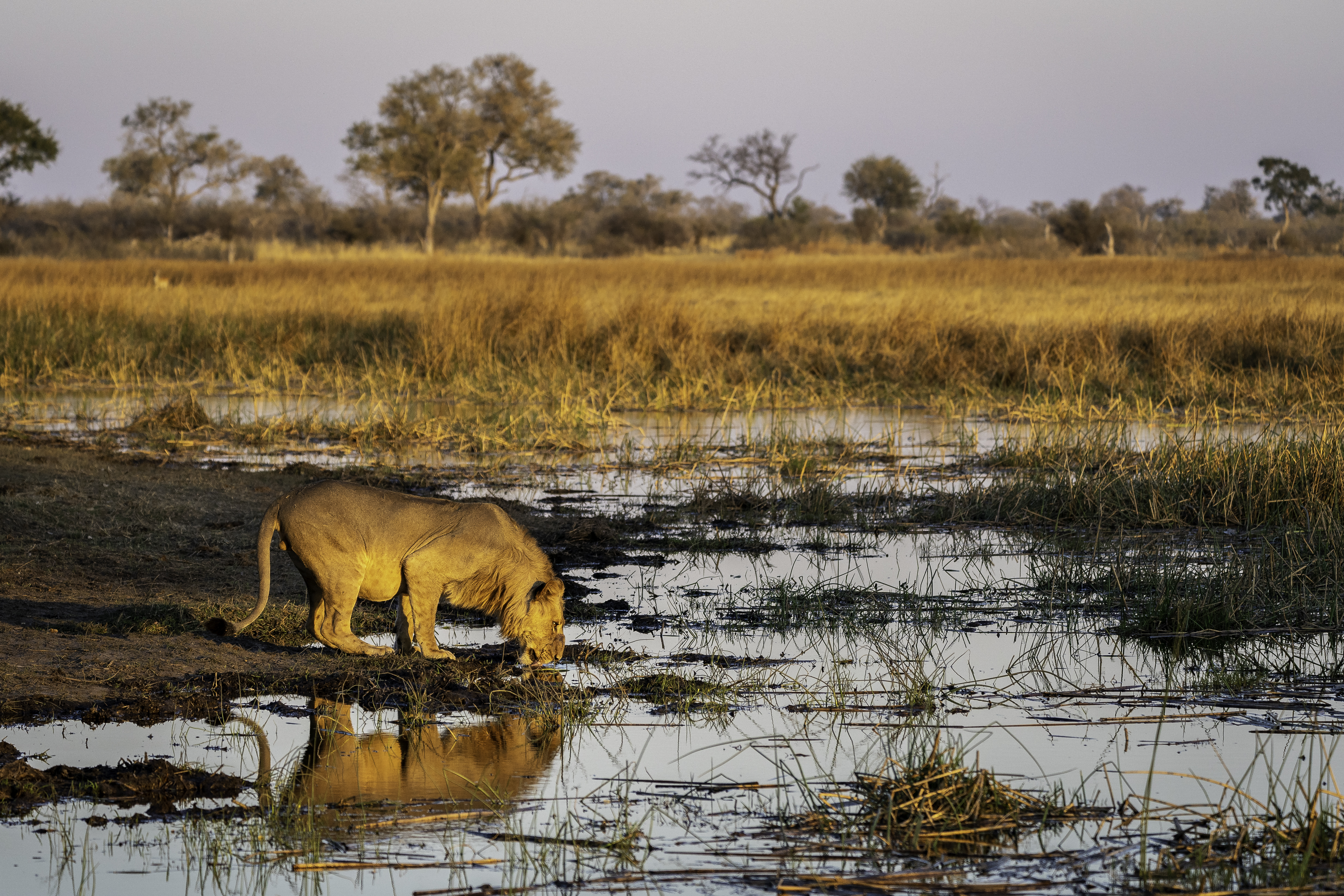
This prolonged period of relative stability has allowed prides of lionesses and cubs to flourish, as exemplified by the Duma Tau Pride of 32 lions. Starting from a nucleus of just five lionesses and seven cubs, this pride went into exile at the start of the Army Boys’ reign, to protect the cubs from infanticide (newly dominant male lions often kill cubs when taking over a territory); by the time they returned, all cubs were of breeding age, and the pride has subsequently prospered and grown to the current size of 32.
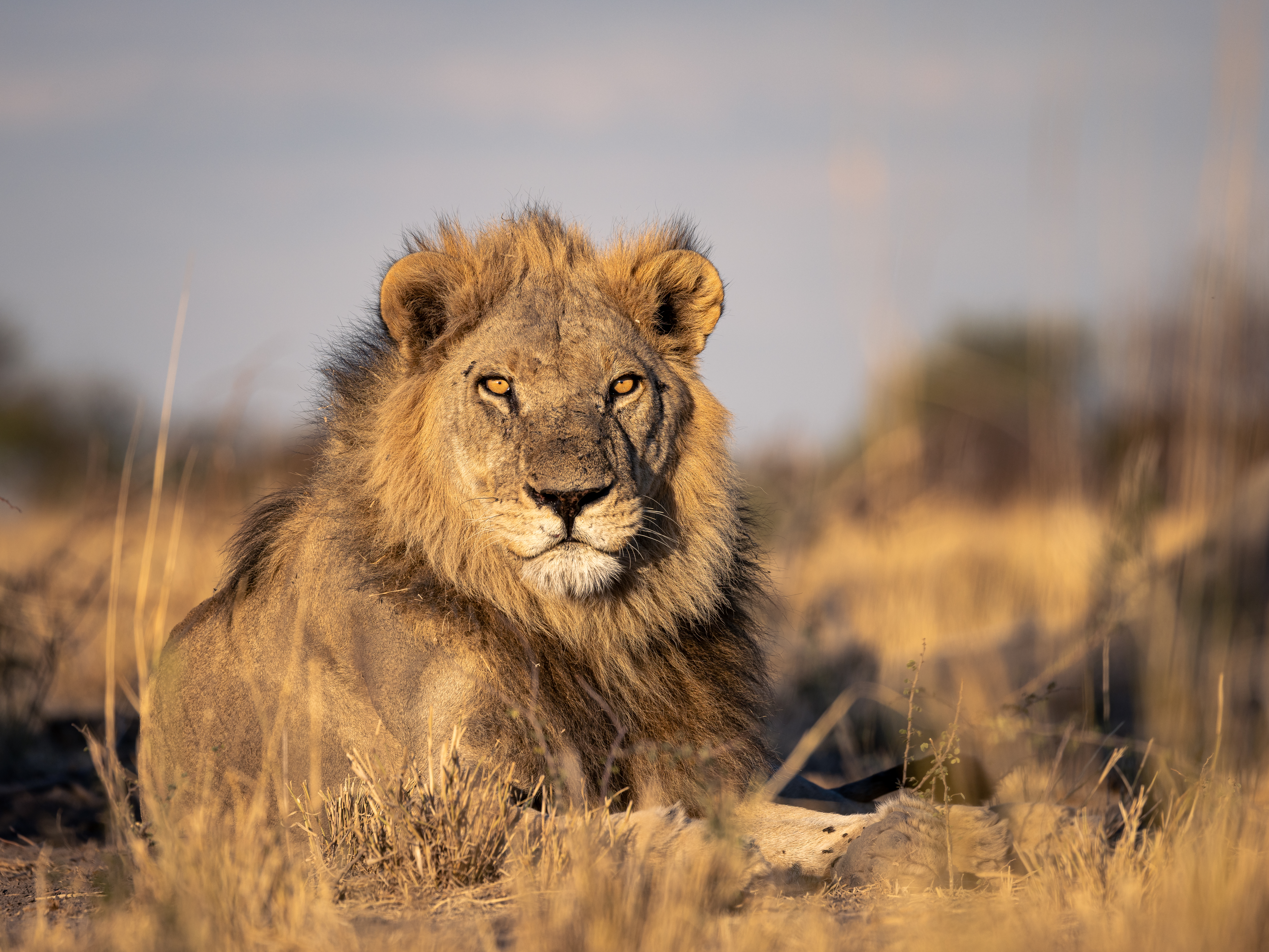
But lion populations are nothing if not dynamic, and no reign lasts forever. In recent times, the Army Boys appear to have split into two subgroups of three lions, each patrolling its own territory (although they continue to tolerate each other at intersection points). This is bound to expose them to competition from rivals, and it’s no coincidence that guides are noticing incursions by two nomadic males from the north (Namibia), and a powerful coalition of four from the east (Chobe Park). Visitors to the Greater Chobe ecosystem in the coming months are likely to be treated to some exciting (and often violent) interactions, as the age-old cycle of life and death continues to play out on the plains of the African savanna.
Contact us to plan your Botswana safari, and witness the Linyanti Lion Drama for yourself.
Shanga Glass Partners With Murano Master Artisan
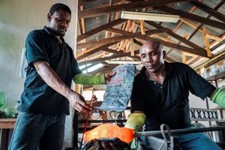
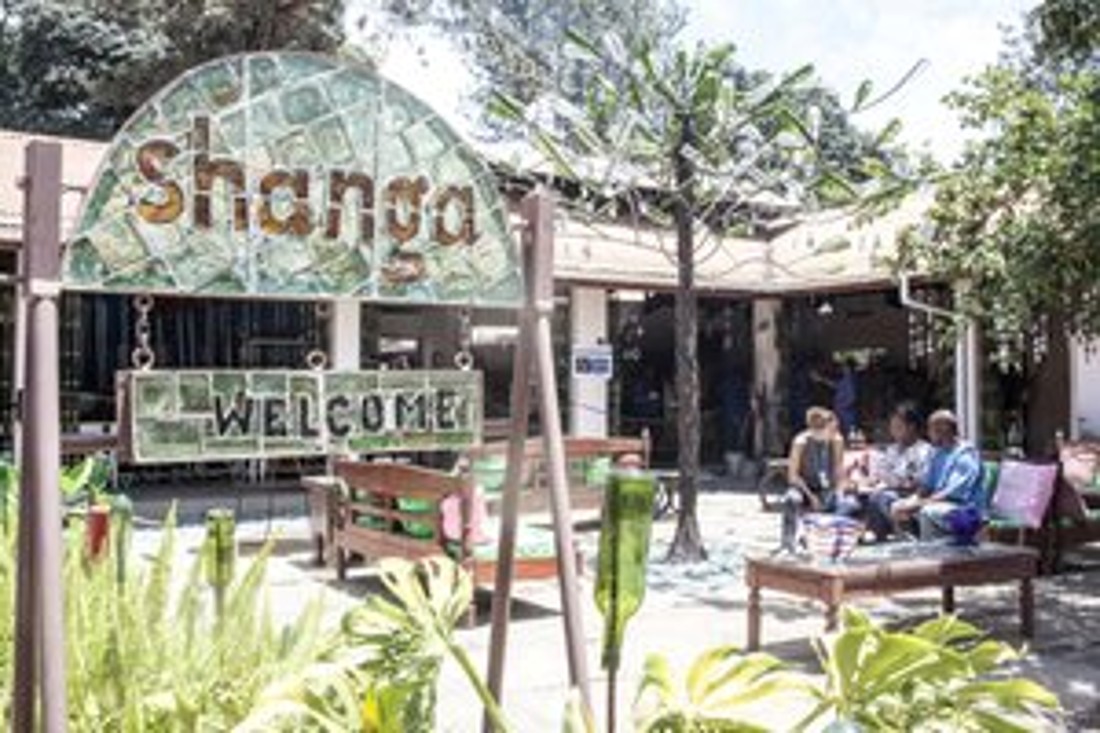
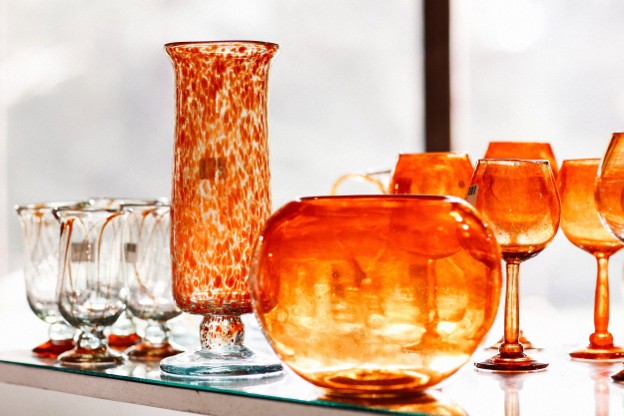
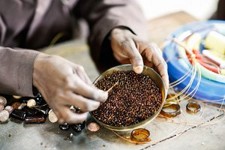
Shanga is a unique social enterprise, located in Tanzania’s safari hub of Arusha, which employs people with disabilities to create unique and high-quality handmade jewelry, glassware and homewares incorporating recycled material. These products are sold in the Shanga shop in Tanzania, as well as around the world, with profits being reinvested back into developing opportunities to employ more people with disabilities.
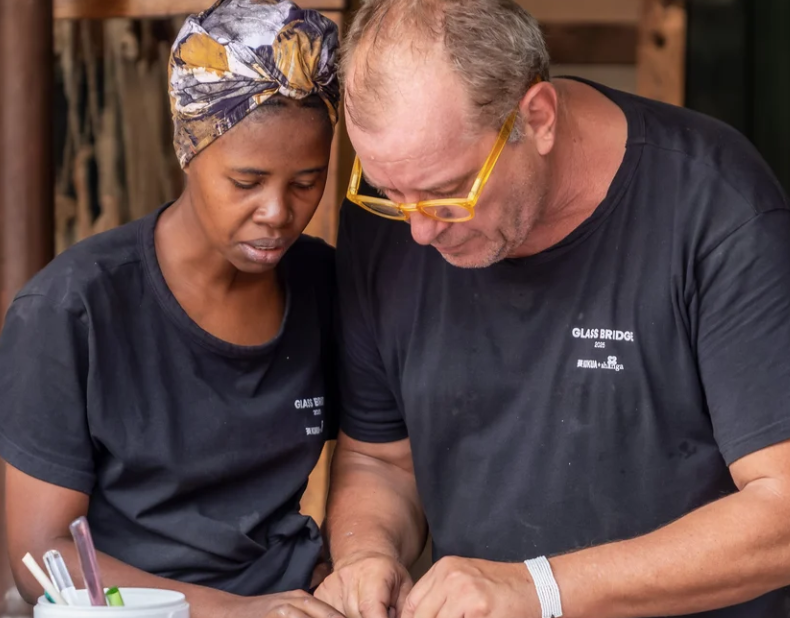
In late July, Shanga announced the appointment of Emmanuel Babled as Consulting Creative Director for glassware. Emmanuel’s three decades of glassmaking experience in Murano, where centuries-old glassmaking traditions have been reimagined for contemporary luxury markets, offers valuable lessons for Shanga's own glass workshop. He brings not only world-class design expertise but also a deep respect for artisan communities, making him an ideal collaborator for a social enterprise that aims to combine inclusion, craftsmanship and commercial success.
How did you first come across Shanga?
Visiting Arusha for KiliFair, I had the chance to stop at Shanga and I was instantly captivated. Finding a furnace where artisans were blowing recycled glass, many of them people with disabilities, moved me deeply. Glassmaking is a craft I had been following for over thirty years on the ancestral island of Murano, and something clicked immediately: this was a connection waiting to happen. From that day, the idea never left me. It took a few more years, but Glass Bridge was born.
What does your involvement in Shanga mean to you?
It is the continuation of a journey I began in 2021, during the pandemic, when I founded KUKUA, a Zanzibar-based company dedicated to Tanzanian craftsmanship. KUKUA is a natural extension of my European studio, where craft has been central for decades. Transposing that experience into an African context where craft directly empowers communities, felt like a calling. To design and inspire, to teach and to learn, with real social impact: that is what gives this work its meaning.
What do you hope to achieve through this partnership?
To elevate Tanzanian glass production by creating a new language, artistic and functional, born from Murano's experience and African culture. Also to demonstrate that design need not be merely aesthetic or self-referential: it can be transformative, rooted in a specific place and people.
Where do you see Shanga in the future?
As a leading social enterprise built on gesture, knowledge, and human inclusion, working across all materials, constantly opening new paths toward development, dignity, and pride for Tanzania's craft community. A model others look to not just for what it makes, but for what it stands for.
Featured Property – Elsa’s Kopje, Meru National Park
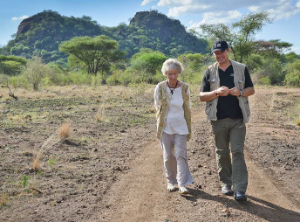
On the 60th anniversary of the release of the iconic film “Born Free”, leading actress Virginia McKenna and her son Will Travers reflect on the making of the movie, the subsequent establishment of the Born Free Foundation, and how it all ties into Meru Park and Elsa’s Kopje Lodge.
Do you remember the filming of Born Free 60 years ago and did you spend much time on set in Meru?
Virginia: It is burned in my memory forever. It was an experience that changed Bill’s and my life. However, although the true story of Elsa unfolded in Meru, the film was made near Nanyuki on the north-western side of Mount Kenya. I did visit Meru with Joy Adamson after filming. It was a few days I will treasure.
Will: I was a small child when the film was made but I was with my mum and dad, Virginia and Bill, throughout the 10 months of our great, life-changing adventure. I was not allowed on set since small people and lions do not mix!
 Is there any particular stand out memory from the filming?
Virginia: Yes, walking with Bill and the lions in the early morning, before filming began. And I will never forget swimming with a lioness in the Indian Ocean!
Will: Although I did not meet the lions, I was well aware of what was going on. I did get to meet Joy Adamson (the one and only time) and her husband George who became a close family friend and who I visited several times in his remote camp right up until his murder in 1989. I also recall when, in the course of a boisterous ‘game’ one of the young (but substantial) lions broke my mum’s leg. Funnily enough, we were never scared. I think that was when we started to understand that lions are like people, each with their own personalities, likes and dislikes.
How has the film shaped your life and subsequent work you do with the Born Free Foundation?
Virginia: Under the mentorship of George Adamson, our dear friend, we became passionate about wild animals, their welfare and their survival. The death of a young female African elephant, Pole Pole, at the London Zoo in 1983, was the final straw. Born Free has been going strong ever since, thanks to our wonderful teams, led by our eldest son, Will, one of the co-founders.
Will: The film was the start of the journey - a journey that will not end. I was hugely fortunate to be one of the co-founders of Born Free and I have had the privilege of helping steer and lead the organization from its inception in 1984. No two days are the same. The positives always outweigh the negatives and the one lesson I have learned is ‘never give up’. Because of that, there are no captive dolphins being exploited for entertainment in the UK. There are no wild animals in circuses. There is no UK commercial ivory trade. One day we will end trophy hunting imports. Relentless determination is the key.
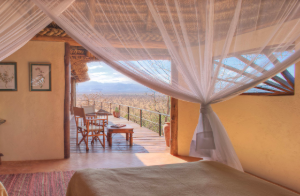 You have stayed at Elsa’s Kopje a number of times, what do you love most about the lodge?
Virginia: The warmth and friendliness of Elsa’s team. The views across the Park. The stillness. The sense of being at one with nature.
Will: Elsa’s doesn’t feel like a lodge. It feels like a home. The hyrax in the trees. The glimpse of the leopard on the bridge (yes, I have seen it). The way each built structure blends seamlessly and harmoniously into the landscape. The wonderful Elewana team who run Elsa’s and allow us to share precious moments - and their commitment to the park, its wild animals, and the communities who live nearby.
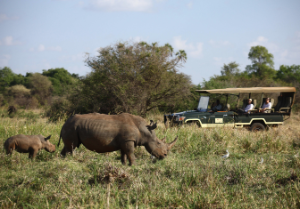
How has Meru National Park changed over the years that you have been visiting?
Virginia: The beauty is that it has not really changed. It is still a remote wilderness that a few incredibly lucky travellers journey to experience – and Elsa’s Kopje is at its heart.
Will: As Virginia says, the magic of Meru is that it has changed so little over the years. It is still a wilderness. You have to work a little harder to see the wildlife, and it is all the more rewarding for that. The birdlife, the huge buffalo herd, the elephants, the giraffe, the lions. And at the far corner, Elsa’s Grave, a place I make a personal pilgrimage to as often as I can.
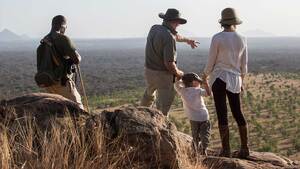
Can you tell us a little about the projects the Born Free foundation is currently working on in Meru National Park?
Virginia: Working alongside our friends at the Kenya Wildlife Service, Born Free helps protect lions, giraffe, elephants, and rhino. We monitor the wild populations and run de-snaring patrols. We also support local communities to reduce conflict with wildlife outside the Park, as well as support education and community engagement. We help protect livestock and encourage small, wildlife-friendly micro-businesses. Born Free and Elewana are doing what we can to keep Meru safe and ensure Elsa’s spirit is shining bright for generations to come.
Will: Meru National Park is at the heart of the Meru Conservation Area, at nearly 7,000 square kilometres, the second largest protected landscape in Kenya. Some people say that Kenya is no longer the wild place it used to be. I disagree! You want wild Africa - come to Meru. And if you would like to help our wonderful Born Free team keep it that way, contact us and support our vital work. Meru - its animals, its people, its natural habitat - are worth protecting. It is the beating heart of Born Free.
To find out more about Born Free’s important work in Kenya and around the globe visit bornfree.org.uk. To book a stay at Elsa’s Kopje to experience the wild magic of Meru National Park, and retrace Elsa’s footsteps, contact us.
Property Updates
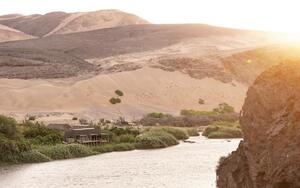 Serra Cafema Camp Reopens December 1st
After suffering extensive fire damage earlier in the year, Serra Cafema Camp in the far north-west of Namibia will reopen on December 1st. The rebuilt camp preserves the original spirit and sense of place, while enhancing guest experience with the addition of new facilities like a gym, a refreshed main area, and upgraded guest spaces.
Serra Cafema is one of the more remote and isolated luxury safari camps in Africa. Situated on the banks of the Kunene River, and surrounded by towering sand dunes and stark desert mountains, Serra Cafema offers a range of experiences by which to engage with this dramatic and other-worldly landscape, as well as its custodians, the highly-traditional Himba people.
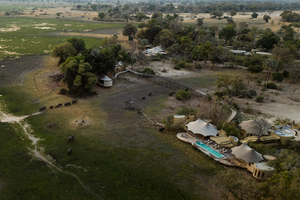
Mombo Camp Adds Night Drives and Mekoro
Mombo Camp, located on Chief’s Island in the heart of Botswana’s Okavango Delta has long been known as one of the best game-viewing safari camps in southern Africa. Because of the camp’s location on a remote island inside the Moremi Game Reserve, Mombo’s safari vehicles have traditionally been bound to return to camp within 30 minutes of sunset, and the camp has focused exclusively on daytime game drives as the only available activity.
Due to recent regulatory changes, night drives are now also permitted. After leisurely sundowners, on your way back to camp, search for denizens of the night, such as genets, civets, and springhares, as your guide slowly scans the bush with a powerful hand-held spotlight.
Another new reason to visit Mombo – even if you previously have - is the opportunity to enjoy mekoro (dug out canoe) excursions through the Okavango’s floodplains (water-levels dependent), savoring the natural beauty and tranquility of the world’s largest inland delta. Contact us to start planning your Mombo safari.
Travel Updates

Tanzania Adds Mandatory Health Insurance for Tourists
Since 2024, all international visitors to Zanzibar have been required to purchase mandatory health insurance, in addition to their own travel insurance (which remains essential!). Since October 1st of this year, this requirement now extends to all visitors to Tanzania (mainland Tanzania, and Zanzibar).
As with e-visa applications, Classic Africa will assist clients by providing detailed, page-by-page instructions through the on-line purchasing process. The basic gist of the new regulation is as follows:
• Cost: USD 44 per adult
• Children: Infants aged 0–2 travel free; children aged 3–17 receive 50% off the adult premium
• Groups: Groups of 10 or more receive 10% off adult premiums
• Validity: Up to 92 days, allowing for multiple entries
• Cover: Emergency medical treatment, medical evacuation, repatriation and lost luggage
• Purchase: Guests must purchase the policy online before arriving in Tanzania - https://inbound.nicinsurance.co.tz
-
Please note that we at Classic Africa do NOT consider this coverage adequate for clients, and strongly recommend purchasing emergency evacuation and medical coverage from a US-based carrier (preferably as part of comprehensive travel insurance).
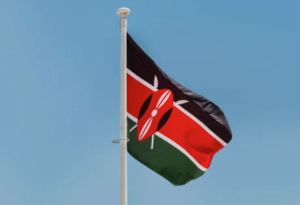
Kenya Moves Closer to Mandatory Health Insurance for Tourists
Not to be outdone by neighboring Tanzania, Kenya has also formally announced a new requirement for inbound travelers in the form of mandatory travel health insurance with a minimum coverage of USD 50,000.
This policy traces back to the Social Health Insurance Act of 2023, though its rollout has been repeatedly postponed. Details are still being finalized, and this requirement has not yet been officially adopted into law, but visitors are already being required to purchase the insurance as part of the e-visa application process, at an additional cost of $44 per person.
As with e-visa applications, Classic Africa will assist clients by providing detailed, page-by-page instructions through the on-line purchasing process. And, as with the Tanzania government-mandated health insurance, we do NOT consider this coverage adequate for clients, and strongly recommend purchasing emergency evacuation and medical coverage from a US-based carrier (preferably as part of comprehensive travel insurance).
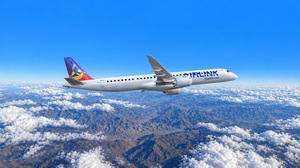
Airlink Seeks Approval for Johannesburg–Kilimanjaro Flight
Airlink, South Africa's premier carrier, has submitted an application to launch a new Johannesburg–Kilimanjaro (JNB–JRO) service, a move that would significantly enhance air connectivity between Southern and East Africa. The carrier is seeking authorization to operate up to seven weekly flights between OR Tambo International Airport and Kilimanjaro International Airport in Tanzania.
If approved, this new route would add a direct gateway into one of East Africa’s most celebrated safari circuits, providing access to Northern Tanzania’s iconic attractions, including the Serengeti, Ngorongoro Crater, and Tarangire National Park.
Exciting New Property on the Horizon – Mokolwane Plains Camp
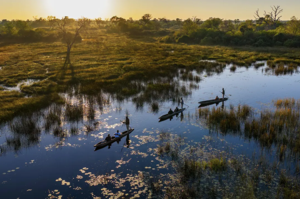
Mokolwane Plains, opening in July 2027, is situated in the southern reaches of the Okavango Delta, within the 500,000‑acre NG29 concession — an area known for exceptional predator densities. The concession is particularly renowned for its leopards and, for more than two decades, has been the base for wildlife filmmaker Brad Bestelink (Big Cats 24/7, and Living with Leopards). The concession is also home to one of Africa’s largest known lion prides (the Xudum pride), along with cheetah, African wild dog, spotted hyena, and abundant plains game like giraffe, red lechwe, zebra, buffalo, and elephant.
The camp will feature five under‑canvas suites, as well as a family suite and private villa. Each suite offers over 1,075 square feet of interior space, plus a private deck with shaded sala, daybed, and plunge pool. Communal areas sit under high canvas with open views across the Delta.
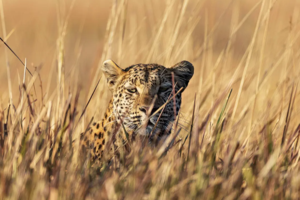
Activities will include day and night game drives, mokoro outings, boating, and scenic helicopter flights. NG29 is one of the most exclusive concessions in the Delta, with only one other camp sharing the 500,000 acres of wilderness, epitomizing the kind of private and intimate safari experience for which Botswana is famous.
Click here to view the official trailer for Living With Leopards.
Conservation News & Events
Singita Kwitonda Ubumwe Woman’s Trail
In Kinyarwanda, “Ubumwe” means unity or togetherness—a philosophy of acting for the collective benefit of one’s community. This spirit shapes Singita Kwitonda’s new purpose‑led event in Rwanda: the Ubumwe Women’s Trail, taking place 26 February–3 March 2027 in partnership with the Dian Fossey Gorilla Fund.
This multi‑day experience features a 15–18 km trail run, gorilla trekking, and a guided hike to the original Karisoke Research Center, where Dian Fossey conducted her groundbreaking research and now rests among the gorillas she dedicated her life to protecting. Guests will also enjoy exclusive access to the Ellen DeGeneres Campus of the Dian Fossey Gorilla Fund, meeting frontline conservationists and seeing how science and community engagement work together to protect mountain gorillas.
Proceeds support the Fund’s Village Vitality Project, an equitable, community‑driven initiative that empowers local women through grants, facilitation, and technical support—strengthening sustainable livelihood development at village level.
Lewa Conservancy Welcomes a New Anti-Poaching Recruit
Canine anti-poaching units have become a key deterrent to poaching in Africa's wilderness areas, and the Lewa Conservancy was one of the first to pioneer this unique solution to one of the most vexing challenges in African conservation.
Meet Lina, the most recent addition to the Conservancy’s K9 anti-poaching unit, selected from a pool of 7 candidates. Lina was born on February 24th, 2025, and is 75% bloodhound (for scent tracking) and 25% Doberman (for resilience and focus) by bloodline.
When asked why Lina, Joseph Piroris, Lewa’s Deputy Head of the Anti-Poaching responded “What truly set Lina apart was not something you can breed for. The moment her nose hit a scent trail, everything else fell away, as if the world narrowed to a single thread only she could follow. Among all seven candidates the team looked at for the role, she showed the most locked-in focus the team had seen, steady and unwavering even in difficult conditions. Yet outside that intensity, she was gentle, friendly, and full of life - the kind of presence that lifts those around her”.
Guests staying at any of the lodges on the Lewa Conservancy – e.g. Kifaru House, Lewa Wilderness, Lewa Safari Camp, and Sirikoi Lodge - can enjoy a fascinating visit to the K9 unit, to meet and interact with the dogs and their handlers, and see their incredible skills in action.
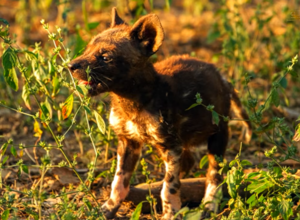
Sighting of the Quarter
This quarter’s sighting is a collection of images and videos captured by guides at Duba Plains, Tembo Plains, Ol Donyo, and more! From wild dog pups and lion cubs to a young bull elephant paying his respects to “One Ton”, Great Plains’ guides didn’t know which way to point their lenses!
Click here to view the full video.
Recipe of the Quarter– Soft Mandazi
Soft Mandazi is a sweet, East African fried dough akin to what we would call a donut. It's enjoyment is widespread, known by several other aliases in other areas of East Africa and the world under names such as "bofrot" (Ghana), bur (Somalia), and "puff puff"(Kenya). In the United States, even a trip to Lousiana may have led to an encounter with the Soft Mandazi in the form of a beignet.
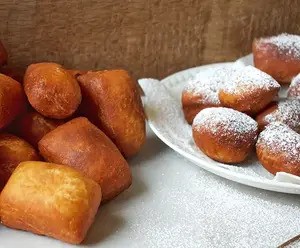
Ingredients
Dry ingredients:
- 3 cups of all Purpose flour
- 2 tsp instant yeast
- 5 tbsp sugar
- 1 tsp baking powder
- 1/2 tsp ground cardamom
- 1/2 tsp salt
- Mix the dry ingredients in a bowl and set aside
Wet ingredients:
- 1 cup luke warm milk
- 4 tbsp melted butter/margarine
- 1 whole egg
Instructions
-
Add the wet ingredients into a separate bowl and mix well.
-
Now add the wet ingredients to the dry ingredients and knead into a dough.
-
Cover with a damp cloth and set aside to rise for 1 hour or until the dough has doubled in size.
-
Roll out the dough (1cm in height) on a lightly floured surface. Cut out shapes. You could cut them into small squares or diamond shapes. You can even use a glass to cut out round shapes.
-
In a thick bottomed pan, add enough oil to deep fry. The oil is ready to use when you put a wooden skewer in it and bubbles form around the skewer.
-
Drop in the cut dough shapes and lower the heat to avoid the outside burning while the inside is uncooked. Flip the mandazi over every 30 sec and cook for about 2 min.
-
Enjoy!