Classic Africa News Vol. 3, 2026
One Ton - The Passing of a Legend

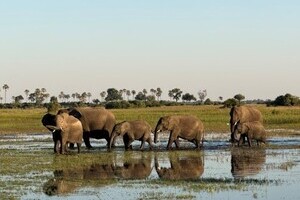
Over the weekend of July 5-6, the legendary tusker One Ton was found dead from natural causes, near Ol Donyo Lodge in Kenya’s greater Amboseli-Tsavo ecosystem. This follows the passing (in January) of Craig, another of the area’s renowned super tuskers. While this is sad news, especially for fortunate safari travelers who had the privilege of seeing these magnificent bull elephants in this spectacular environment, the fact that both died of natural causes, and not at the hands of poachers, is testament to major successes in elephant conservation, especially in East Africa.

Kenya’s elephant population has grown from 16,000 in 1989 to over 36,000 today, driven by anti‑poaching efforts, intelligence‑led enforcement, and the rise of community conservancies. Amboseli–Tsavo supports the largest remaining concentration of super tuskers on the continent, with roughly 20–25 individuals. Key conservancies such as Mbirikani, Kuku, and Olgulului — the community lands on which Ol Donyo Lodge and Tortilis Camp operate — have expanded safe habitat around Amboseli and the Chyulu Hills.
These conservancies create habitat and buffer zones where elephants can move between parks without entering farmland, supported by tourism leases, conservation payments, and ranger employment that align community incentives with wildlife protection.
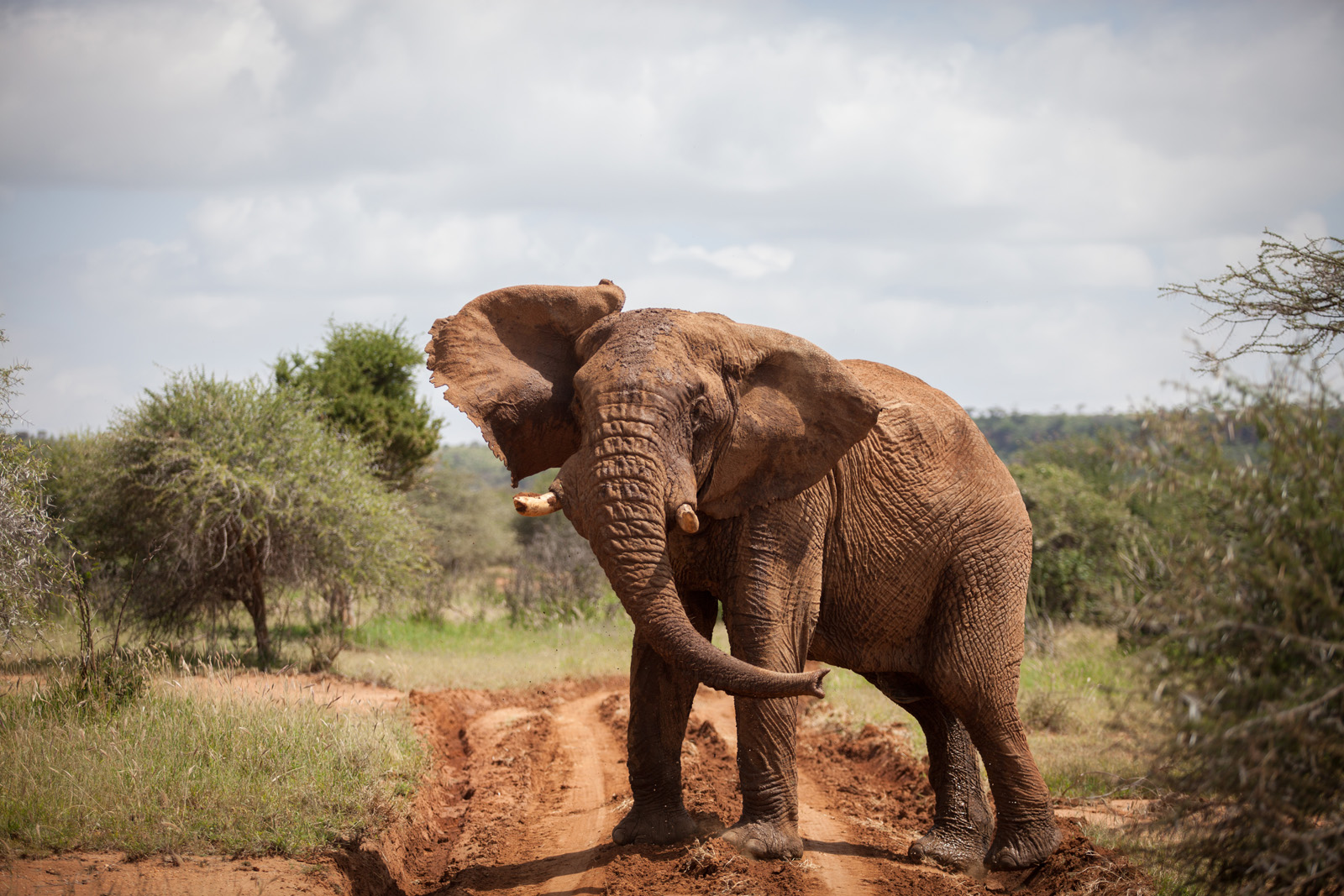
The same model is reshaping the greater Maasai Mara. Conservancies including Mara North (home of Little Elephant Pepper and Mara Toto), Olare Motorogi (Mara Plains), and Naboisho (Mara Nyika) secure the dispersal zones around the national reserve, protecting habitat for elephants moving between the Loita Hills, the Mara River basin, and the Siria Escarpment. Tourism revenue flows directly to landowners, turning wildlife protection into a viable economic strategy and reducing pressure to convert land to agriculture or settlement.

In Laikipia, conservancies such as Lewa and Loisaba anchor a landscape of secure habitat where elephants move freely between rangelands and forested escarpments.These conservancies fund ranger teams, grazing plans, and community programs through non‑consumptive tourism, stabilizing land‑use decisions and reducing conflict. Laikipia’s elephant population has remained resilient despite regional pressures, largely because community land is economically aligned with wildlife.
The picture in Tanzania is very similar, with an elephant population that has rebounded from 43,000 in 2014 to 60,000 today, driven by many of the same factors.
In the western Serengeti, the Singita Grumeti Reserve — comprising the Ikorongo–Grumeti Game Reserves and community‑managed lands — has become one of East Africa’s most successful conservation landscapes. Intensive anti‑poaching operations, community programs, and habitat restoration have stabilized elephant numbers and reopened movement routes between the western corridor and the central Serengeti. The Grumeti Fund’s ranger force and community partnerships are widely cited as a model for long‑term wildlife recovery.

So, while we take a moment to mourn the passing of One Ton, whose 50+ years of life saw him survive the darkest days of Kenya’s elephant crisis, it’s also a moment to celebrate the fact that he lived out his full natural life. And, without complacency, to acknowledge how much brighter the future is for the next generation of super tuskers (and all elephants across East Africa) as the landscape around them becomes economically aligned with their survival.
Featured Property - Little Elephant Pepper Camp
Little Elephant Pepper Camp, with three spacious safari suites and one two‑bedroom family suite, is the first high‑end luxury accommodation in the Mara North Conservancy, bordering the Maasai Mara National Reserve.
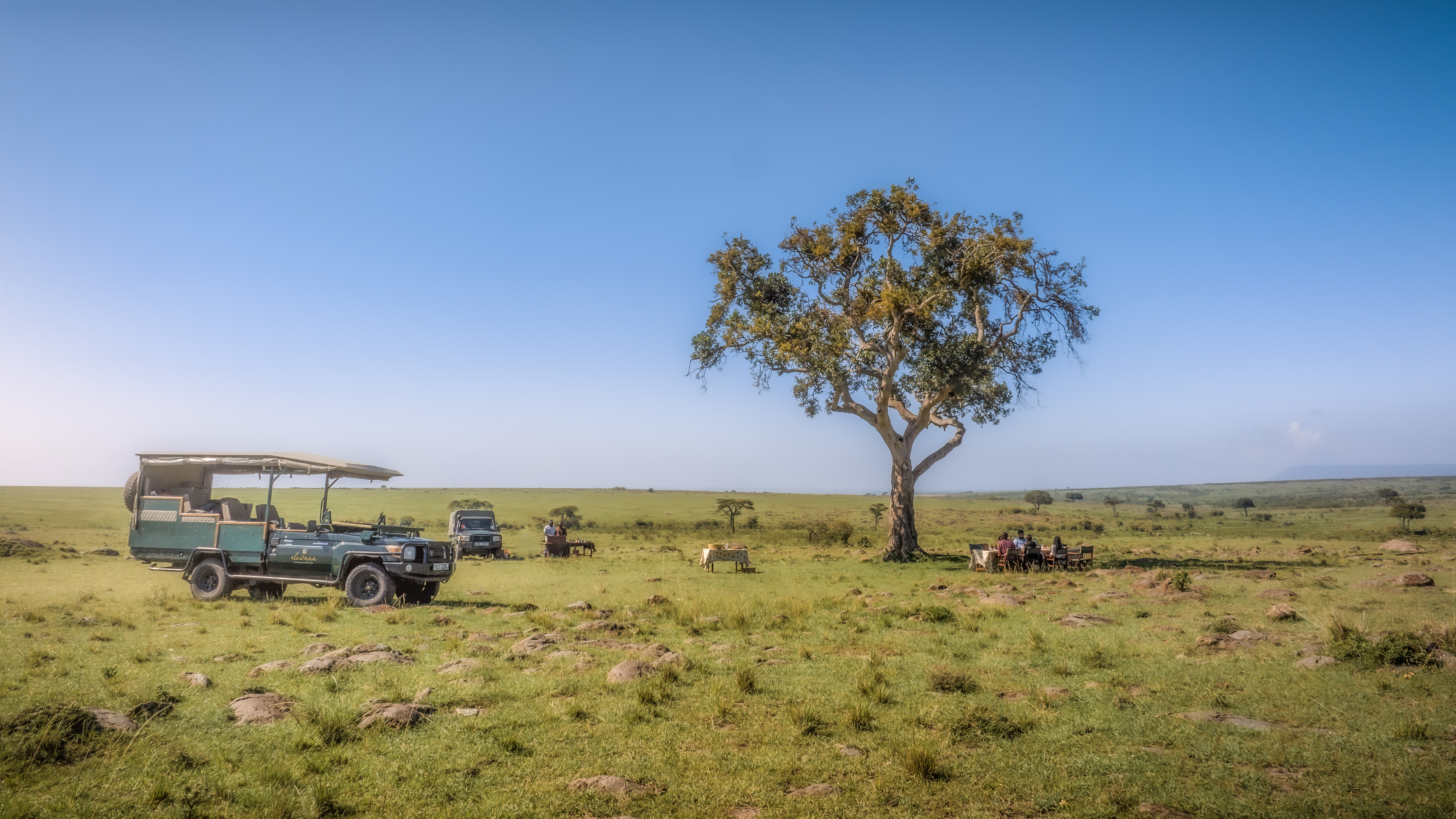
Sheltered under African pepper trees, from which the camp derives its name, Little Elephant Pepper overlooks a natural mineral lick fed by a seasonal stream, offering great wildlife viewing directly from camp. With no fences and no permanent footprint, it draws from the traditions of mobile safaris while delivering the level of comfort expected from a modern, boutique property.
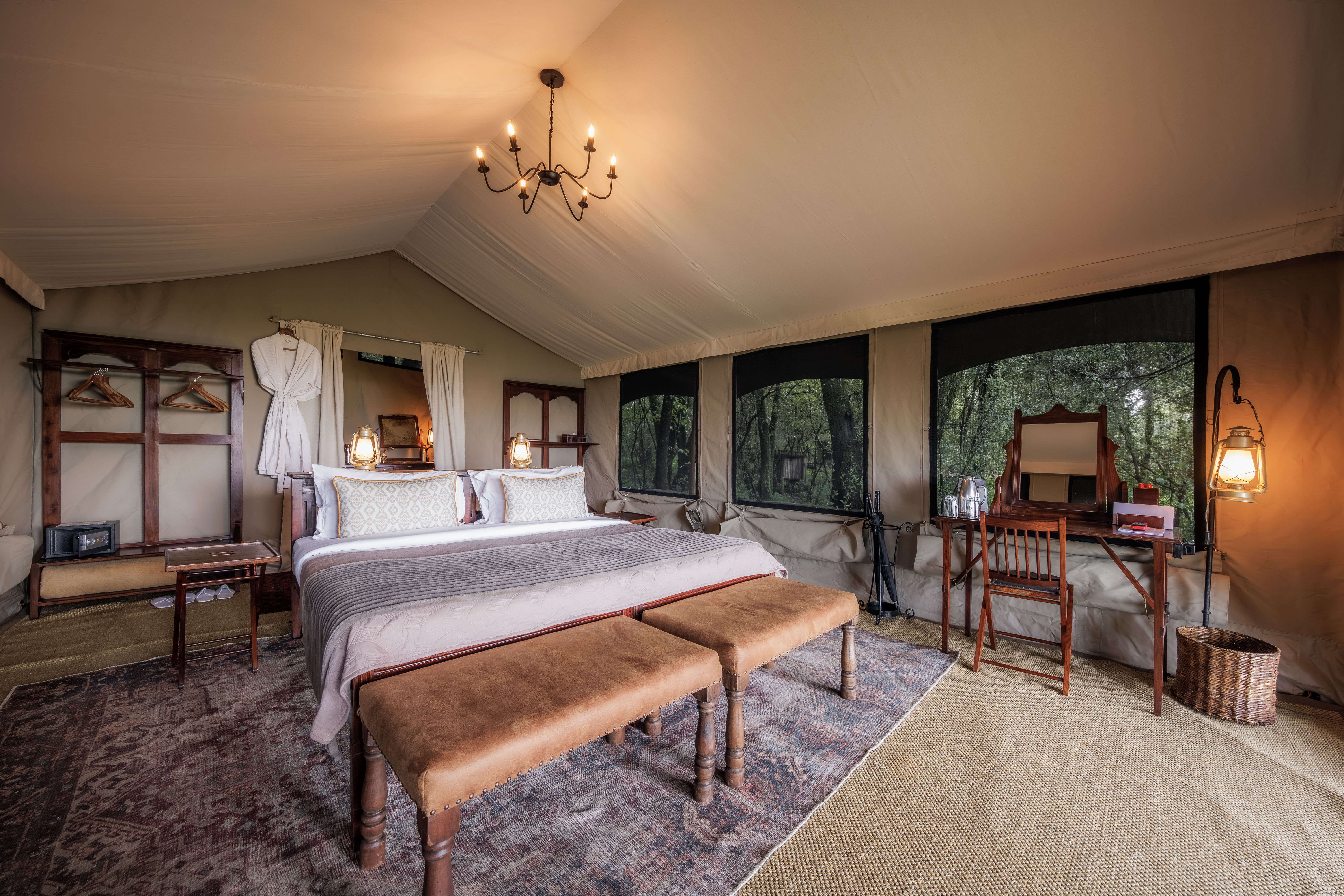
The camp’s design reflects classic safari style through campaign furniture, warm woods, brass detailing, and an earthy palette. Each suite features a private veranda and plunge pool, while a dedicated wellness tent elevates the options for “bush pampering”. With its intimate scale, Little Elephant Pepper Camp can be booked in its entirety, making it especially well suited to multi‑generational families, and small groups.
Guests explore the 72,000‑acre Mara North Conservancy in brand‑new safari vehicles, moving through a landscape that supports the same free‑roaming wildlife for which the Greater Mara ecosystem is renowned. Walking safaris, night drives, and off-roading — permitted in the conservancy but not in the National Reserve — facilitate a deeper and richer safari experience.
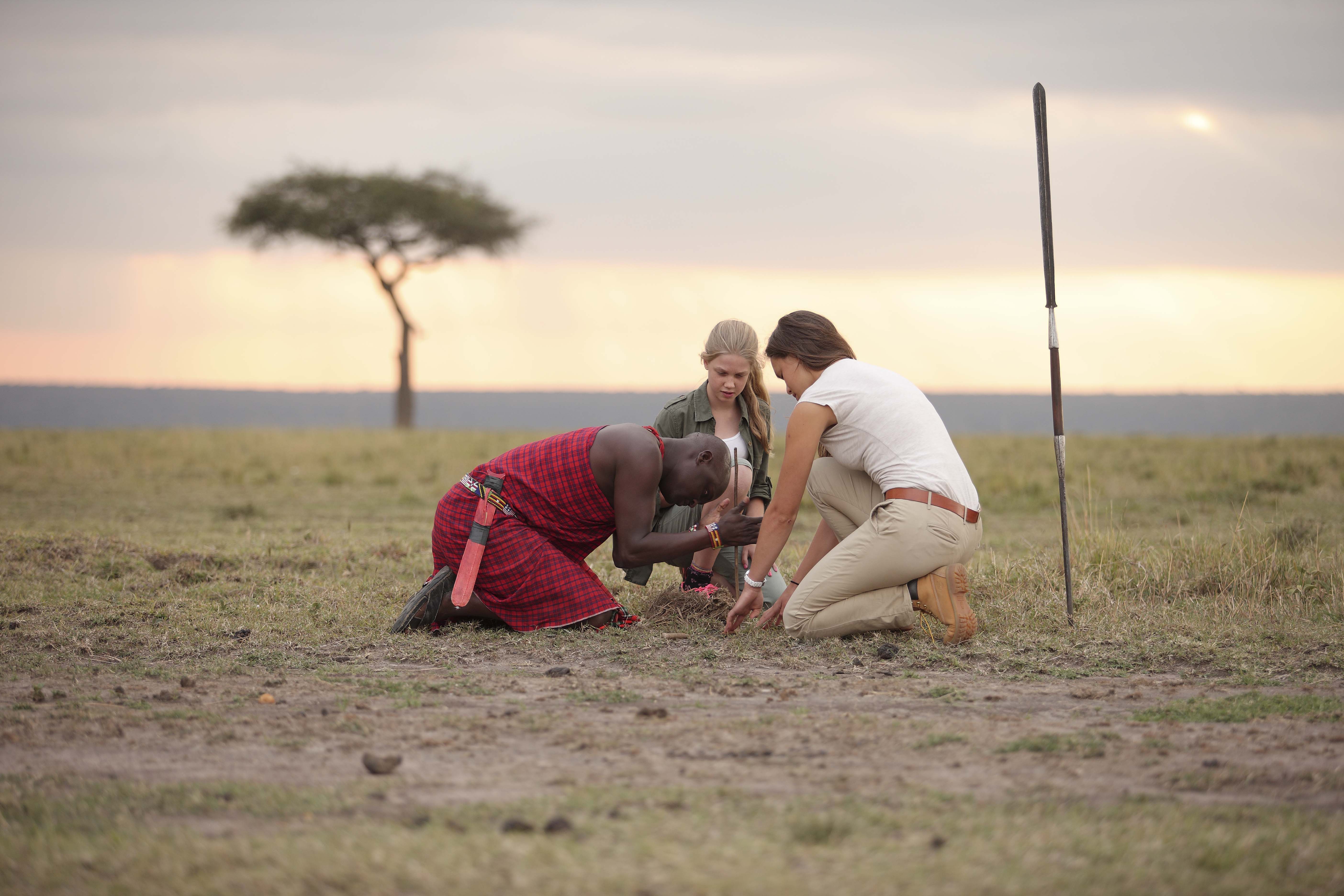
The Mara North Conservancy plays a critical role in protecting wildlife corridors and providing safe habitat for endangered species. It is managed in partnership with 783 Maasai landowners, whose land constitutes the conservancy. Through lease payments, employment, education and health programs, and community‑driven conservation initiatives, the Conservancy model delivers tangible benefits to local families, thereby ensuring wildlife and habitat preservation.
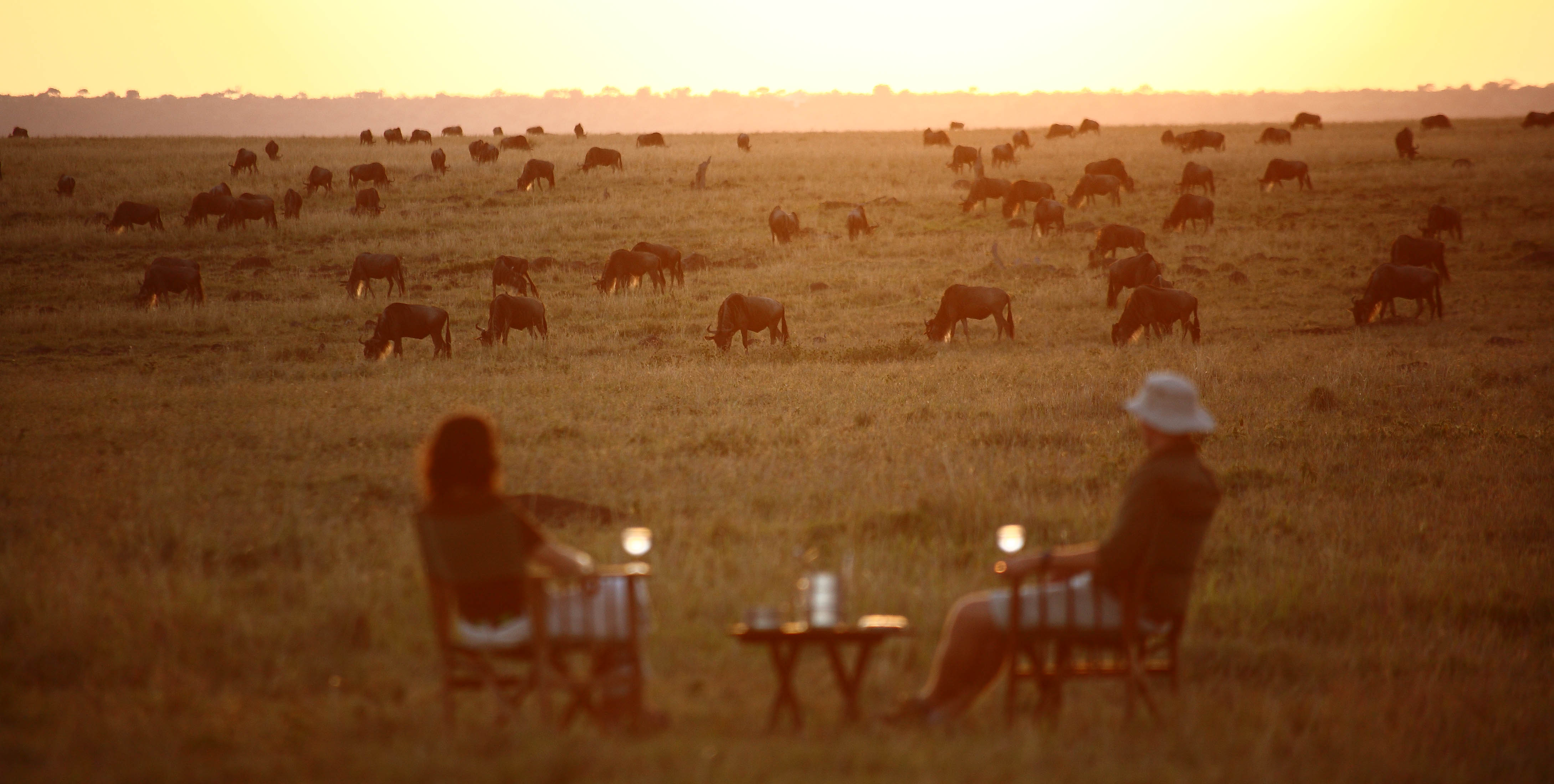 In a landscape where overtourism is a legitimate concern, Conservancies offer capped bed nights and strict limits on vehicle numbers, creating a more responsible and rewarding way to experience the Mara’s incredible wildlife. And Little Elephant Pepper joins a small and select group of genuine luxury tented camps on private Conservancies within the Greater Mara ecosystem. Contact us to start planning your Greater Mara safari.
Travel Updates
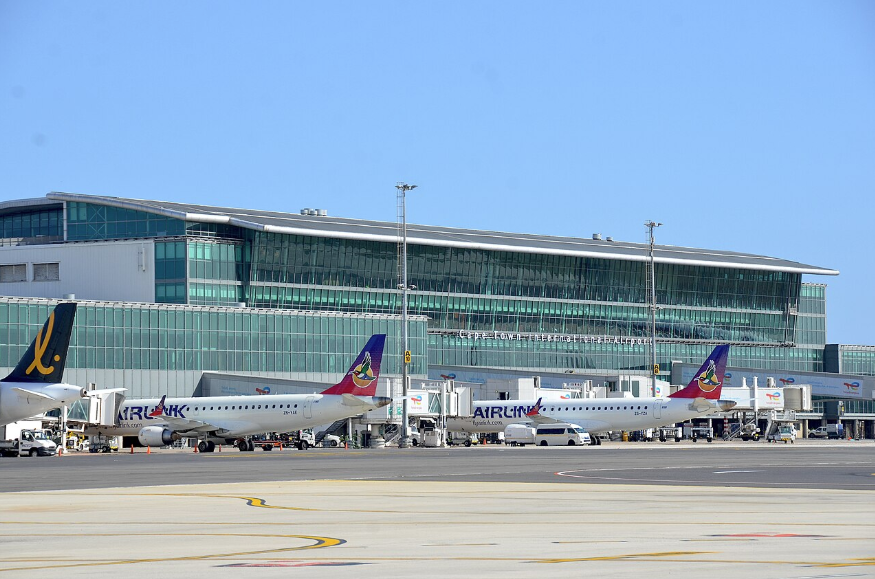
Cape Town Airport Best in the World
For over a decade, AirHelp has ranked more than 200 airports worldwide on punctuality, service, and amenities. In the 2025 AirHelp ranking, Cape Town International Airport (CPT) took the top spot globally — a result drawn from extensive operational data and more than 13,500 passenger reviews across 58 countries. CPT performed strongly across all core metrics, from on‑time departures to service quality. Arriving in Cape Town offers more than efficiency.
Approaching aircraft are treated to spectacular views of Table Mountain, Table Bay, and the dramatic Cape Peninsula. And the city’s many cultural treasures — from the Bo‑Kaap’s Cape Malay heritage, to Robben Island’s historic prison, to the oldest vineyards in the Southern Hemisphere — begins just minutes from the terminal.
Airports can set the tone for an entire trip. Cape Town International now holds the distinction of offering one of the smoothest entries into one of the world’s great cities.

New VIP Terminal at Arusha Kilimanjaro Airport
Kilimanjaro International Airport in Tanzania is set to open Uhuru VIP Terminal providing fee-based services such as check-in support, immigration assistance and security screening, alongside arrival clearance services. A lounge area will serve meals and drinks while additional amenities include short-stay rooms, quiet areas and shower facilities. VIP areas will provide additional privacy for high-profile travelers.
 South Africa introduces Online Traveler Declaration
Effective 1 July 2026, the South African Revenue Service (SARS) requires travelers entering or departing South Africa to complete an online Traveler Declaration before travel. The declaration forms part of the Customs process for declaring goods, currency and other applicable items, and can be found here.
As with online visa applications for various African countries, Classic Africa will be providing our clients with step-by-step instructions for completing these Declaration Forms, which needs to be done within 24 hours of arrival in or departure from South Africa.
Currently, the requirement is not being enforced, and we have not heard of any travelers being asked for proof of having completed the forms, but this may change in future.
Increased Airlift to Africa

Reflecting the growing importance of Africa for leisure (and business) travel, and restored confidence in connections through the Middle East, both Qatar and Emirates are increasing their airlift to and from major travel destinations across Africa.
Qatar
- Flights to Cape Town will increase from seven to 10 weekly flights
- Flights on the Maputo/Durban route will increase from four to seven weekly flights.
- Dar es Salaam – from three weekly flights to seven.
- Lusaka/Harare –from five weekly flights to seven.
- The airline has also restarted four weekly flights to Seychelles and two weekly flights to Kigali.
- Cape Town routing increased to three flights per day
- The airline will also reintroduce a fourth daily service between Johannesburg and Dubai
- Nairobi routing increased to three flights per day
Airlink Adds Zanzibar, Curtails Maun
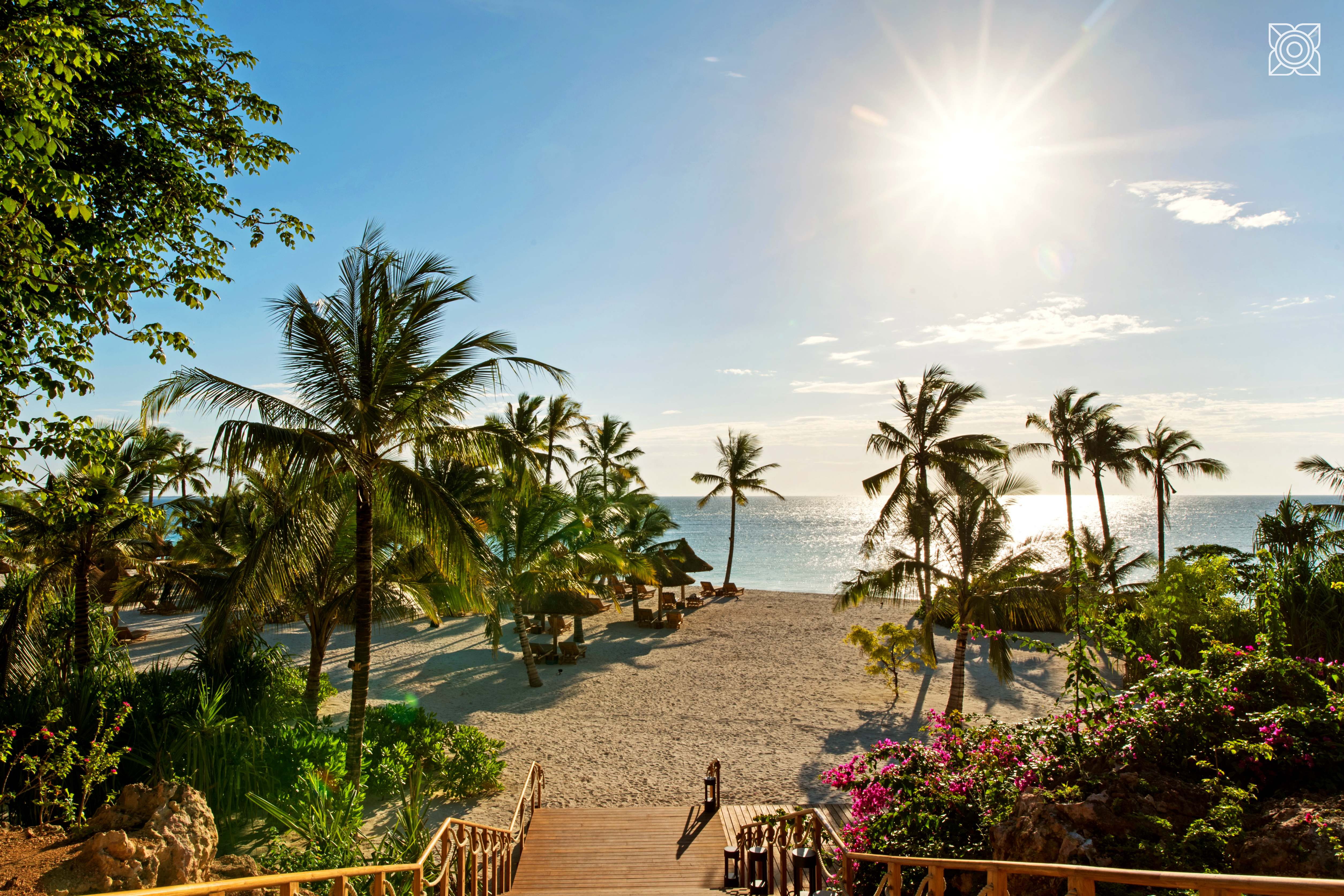
South Africa based carrier Airlink has added a direct service from Cape Town to Zanzibar, operating once weekly, on a Saturday. This follows the recent, successful introduction of a direct service from Johannesburg to Zanzibar, operating twice weekly (Wednesday and Sunday). On the other hand, the airline has reduced the frequency of its direct Cape Town to Maun flights from daily to four times weekly (Sunday, Monday, Wednesday, Friday).
Exciting New Properties on the Horizon
Khensani River Lodge
Khensani River Lodge opens in December 2026 as the newest member of the Tengile Mala Mala Collection, set along the Sand River, one of the most productive wildlife corridors in southern Africa.
The name, Khensani—"gratitude" in Xitsonga—reflects a philosophy shaped by the Sand River, the ecological engine of the Mala Mala and Tengile Reserves. WIth 17 miles of perennial river frontage, Tengile Malaa Mala consistently records some of the highest densities of big game in Africa, with regular sightings of the "big five" and other high profile species. The river's year-round water supply drives movement, concentration, and behavior, delivering exceptional game-viewing with a regularity that few other safari destinations can match. 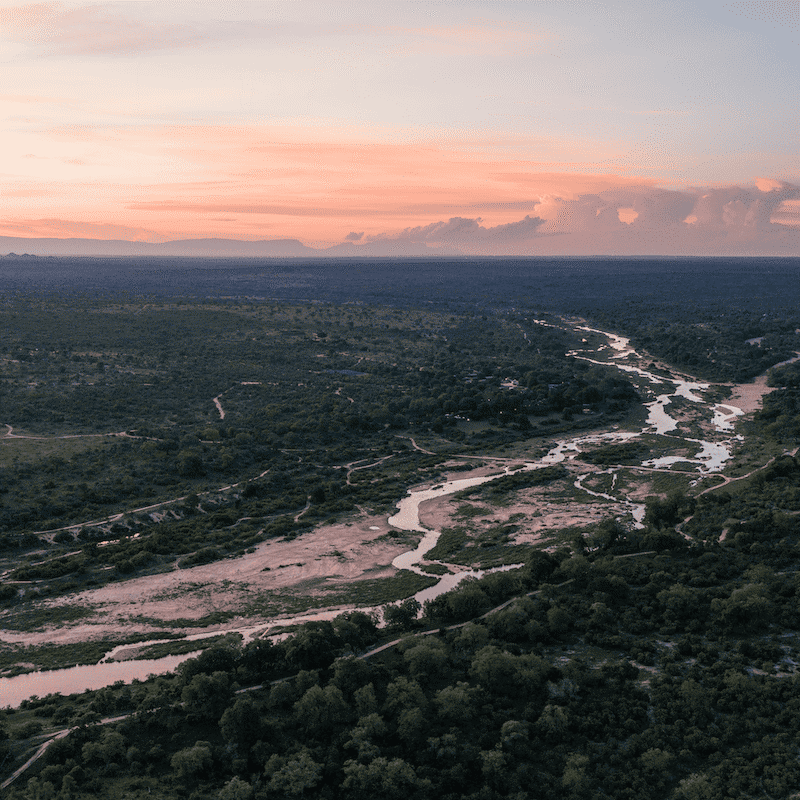
Khensani has arisen in partnership with the N'wandlamhari Community, landowners of the Mala Mala Reserve. As landlords, the community receives direct financial benefits through annual lease payments and revenue-sharing structures, creating a stable, long-term income stream that supports local development priorities. This partnership is also expressed through employment, conservation stewardship, and protocols that prioritize wildlife preservation — all aligned with Greater Kruger conservation frameworks that recognize community‑owned land as essential to ecological stability and sustainable tourism.
Khensani brings a new level of refinement to a landscape already defined by ecological credibility, community partnership, and some of the most reliable wildlife viewing in Africa.
Contact us to book your stay at Khensani or plan your safari to the Greater Kruger Park.
Singita Elela
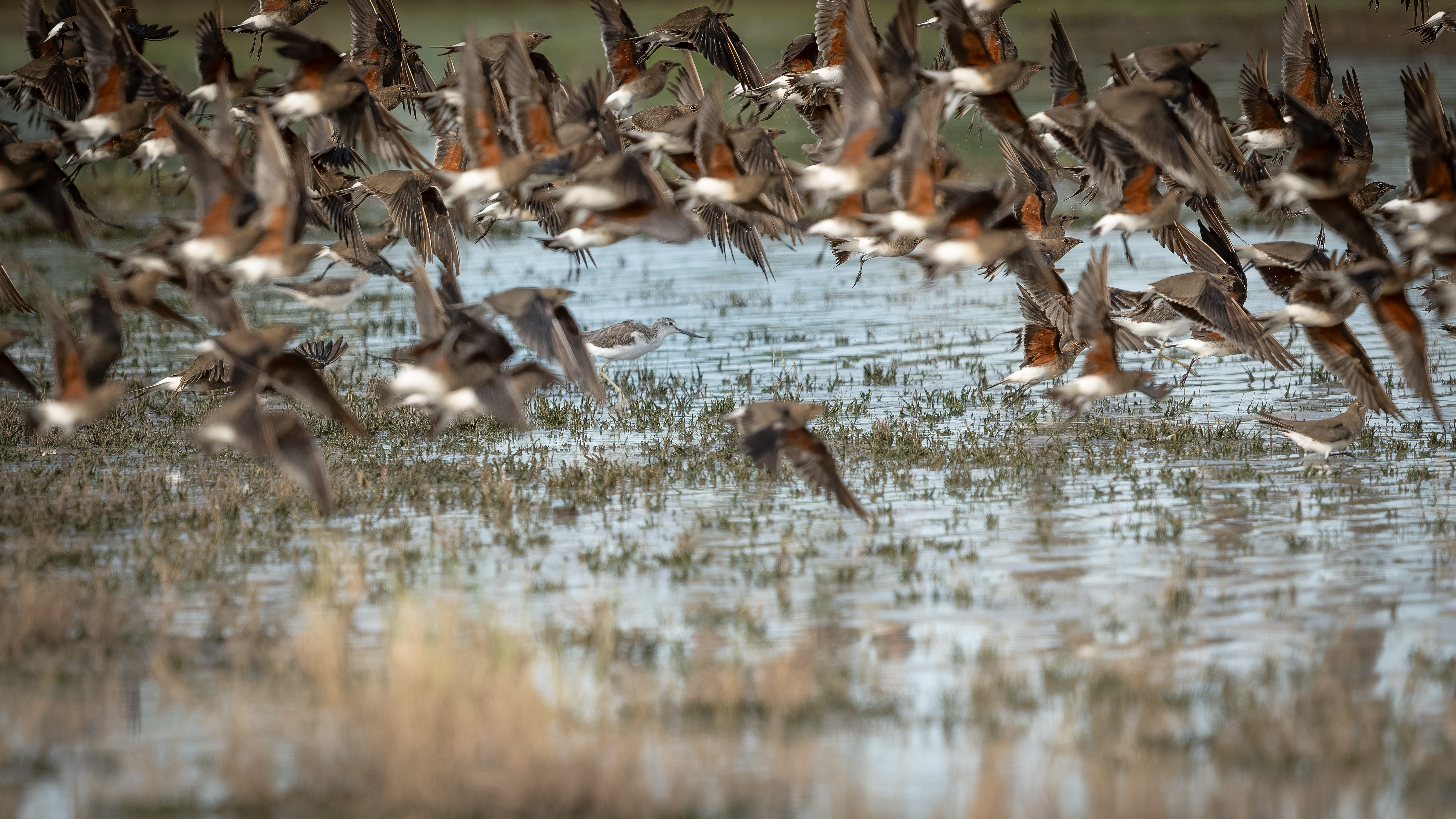 Elela means “to flow” in Setswana, a name inspired by the Okavango Delta’s gently fluctuating, seasonal waterways. The Singita Elela concession covers 420,000 acres of pristine wilderness, comprising a mosaic of islands, lagoons, grasslands, and swamps that amply support the volume and diversity of wildlife that the Delta is famous for. Guests are offered the opportunity to explore this varied landscape and its wildlife by vehicle, boat, helicopter, on foot, or in a mokoro — the traditional dug out canoe used by local fishermen to navigate the Delta’s channels.
Between activities, guests can fish, gather around fires and shared tables, enjoy wellness rituals or yoga in camp, and spend time under the Delta’s night skies.
The lodge itself comprises eight private “camps” — one-, two-, and four‑bedroom — each with a private vehicle, guide, tracker, arrival point, and camp manager. Each camp features indoor and outdoor living areas, a fireplace, kitchen, heated plunge pool, and a lounge where wellness treatments can be arranged. Children of all ages are welcome.
At the center of Elela is its hub, where guests can dine indoors or out, visit the regional campus of the Singita Community Culinary School, work out in the communal fitness space, and explore the two‑storey Conservation Lounge. The hub also reflects Elela’s ethos: kitchens, canteen, offices, and clinic are part of the visible environment, encouraging natural interaction with the people who run the concession, and deepening guests’ connection to the Delta and its community.
Singita Elela offers a deeply private and flexible way to experience a remarkable and dynamic landscape, shaped by seasonal water, rich wildlife, and a community dedicated to preserving one of the World’s truly great wilderness settings.
Contact us to book your stay at Elela or plan your safari to the Okavango Delta.
Property Updates
Natural Selection Unveils New Namibia Airstrips
For years, exploring all the Natural Selection camps has required a little patience. Tricky logistics used to define travel in Namibia, and aligning charter flights presented difficulties for operators and travelers. Getting from camp to camp was circuitous…until now.
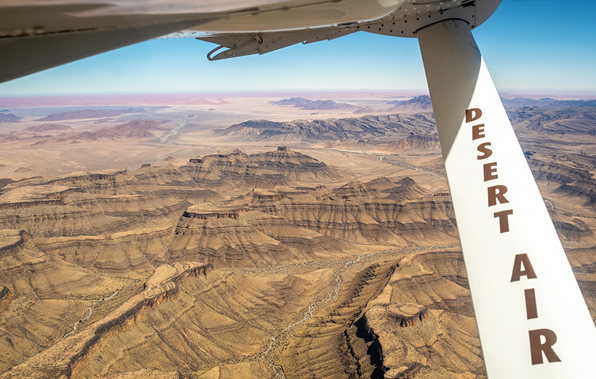
Natural Selection now partners with charter airlines like Desert Air to create a daily fly-in circuit. Reliable schedules mean exploring Namibia is easier than ever before. The company is unveiling the brand-new Sima Airstrip, coinciding with the opening of Hoanib Elephant Camp. Passengers no longer have to rely on inconvenient routes to experience Namibia’s Skeleton Coast: daily flights to Westies Airstrip now allow direct access to Shipwreck Lodge, a major upgrade in service. Kwessi Dunes Camp continues to be served by Geluk Airstrip.
Contact us to start planning your Namibia safari.
Lamai Serengeti Upgrades
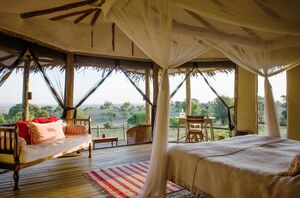
Lamai Serengeti has always been one of the top camps in the northern Serengeti, perched on ancient kopjes, with front-row seats to all the northern Serengeti action. This year, they've focused on the details around camp: more space and privacy for families, more places to pause, and the perfect way to unwind after a dusty day on safari.
Space and privacy for families: Lamai's family rooms have been upgraded to two bedrooms, each with its own ensuite bathroom giving families travelling together privacy without compromising on togetherness.
Quiet spots to stop and stare: New decks overlooking the plains with a new fire pit. Pathways around the kopjes in camp have also been upgraded, making it easier to move between rooms and common areas.
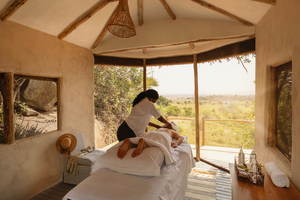
A new retreat: The new spa area is the perfect retreat after dusty game drives.
Contact us to book your stay at Lamai Serengeti, or to start planning your Serengeti safari.
Improved Access for Serengeti Migration Camp
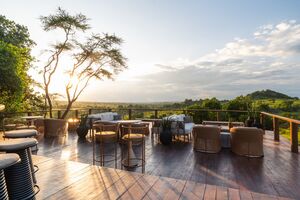
Also in the northern Serengeti, guides at Serengeti Migration Camp are excited about a new, 150' bridge that cuts the journey to Kogatende in half, providing quicker access to the Mara River, for prime rhino viewing as well as River Crossings during the Great Migration. The camp already enjoys an ideal location for intercepting the migrating herds in June and October, on their way to and from the Mara River, and now also provides access to the Mara River for the timeframe when the herds are settled there.
Contact us to book your stay at Serengeti Migration Camp, or to start planning your Serengeti safari.
 Value Added Experiences at Mara Expedition Camp
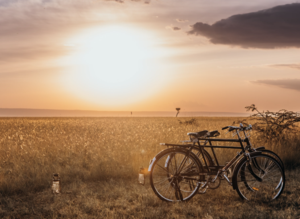
Mara Expedition Camp on the Mara North Conservancy is enriching its guest experience for the 2026 season with new ways to explore the Greater Mara ecosystem. Guided walking safaris and cycling excursions now complement traditional game drives, offering a deeper, more immersive connection to the landscape, wildlife, and surrounding wilderness. The camp has also elevated its culinary offering with its charming “singing kitchen,” where chefs prepare meals using ingredients from the camp’s own garden while sharing local songs and stories around the fire. It’s an intimate, joyful addition that brings guests closer to the culture and spirit of the Mara.
Contact us to book your stay at Mara Expedition Camp, or to start planning your Kenya safari.
Water Activities at Mombo
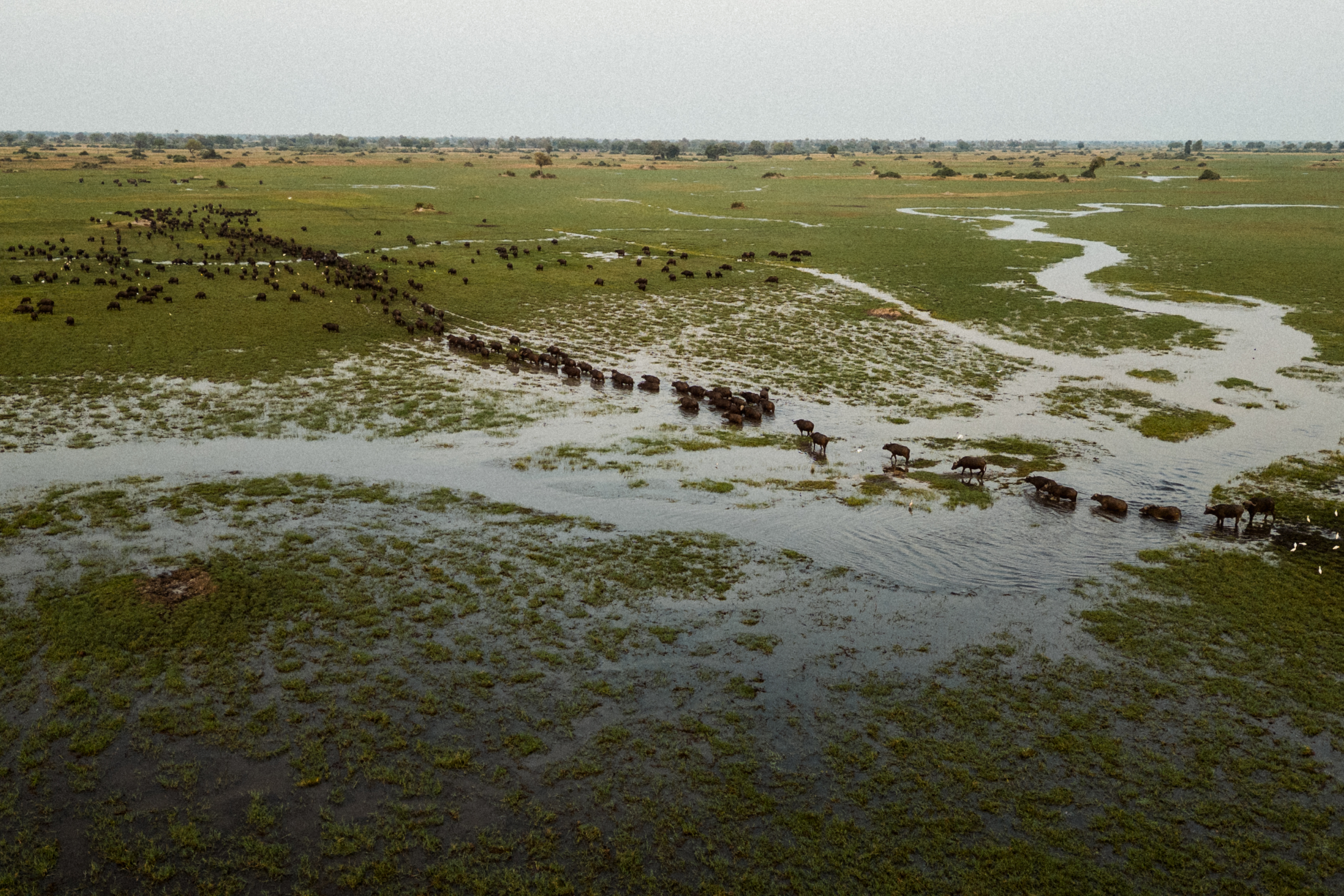
For decades, Mombo Camp has set the benchmark for wildlife viewing in Botswana. Its nutrient-rich floodplains, abundant prey species, and extraordinary predator densities create some of the most consistent game viewing on the continent. Now, for the first time, guests can experience Mombo's extraordinary wildlife-rich landscapes from both land and water.
With the introduction of boating and mokoro activities around Chief's Island, guests can (water levels permitting) explore the waterways that help shape Mombo's extraordinary wildlife story. Offering a quieter, water-level perspective of this iconic landscape, these new experiences add another dimension to a safari that has long been regarded as one of Africa's finest.
Contact us to book your stay at Mombo Camp, or to start planning your Botswana safari.
Rhinos in Akagera National Park
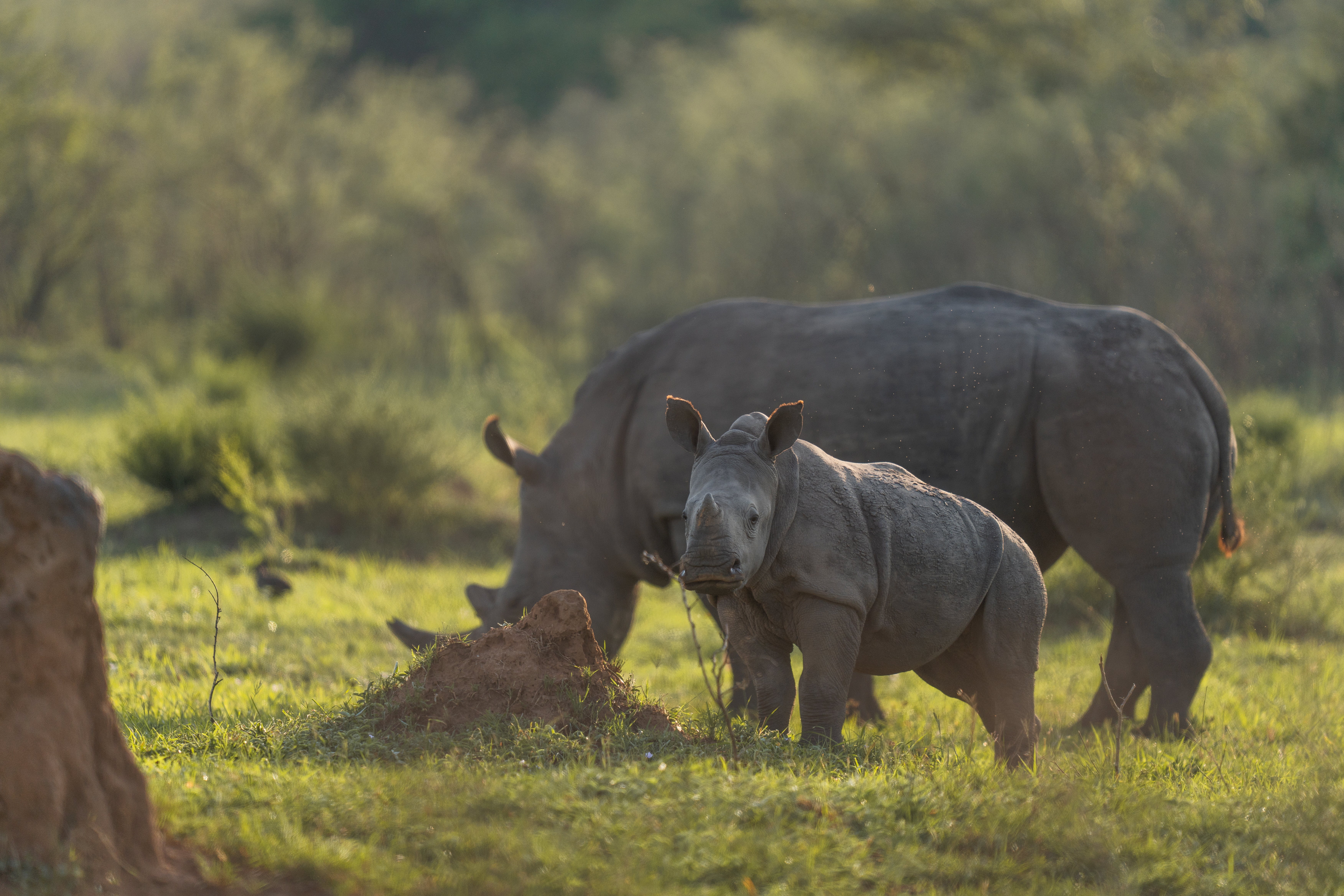
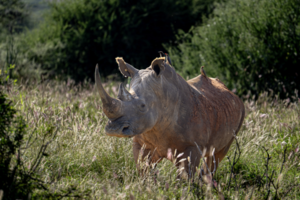
Akagera National Park is celebrating the successful settling of 70 southern white rhinos, following one of the park’s most significant wildlife reintroductions to date. Akagera also welcomed its first white rhino calf in late June 2026, shortly after the relocation from South Africa to Rwanda, which was carried out in two stages under the initiative.
The successful operation formed part of African Parks’ broader Rhino Rewild programme aimed at restoring viable rhino populations within secure protected landscapes. It involved a carefully coordinated relocation process combining overland transport and airlift, with the animals subsequently released into holding bomas in Akagera for close monitoring and gradual adaptation. Park teams report that the rhinos are steadily acclimatizing under continuous veterinary and security supervision, marking a positive early outcome and reinforcing Akagera’s position as a key rhino stronghold within East Africa’s conservation landscape.
Contact us for more information about bookings near Akagera National Park.
Elephant Havens - Featuring Angel and Matsaudi
Elephant Havens Foundation in Maun has welcomed two new little elephants to its growing herd: Angel and Matsaudi. Both calves arrived under challenging circumstances, but they’re already thriving under the refuge’s care.
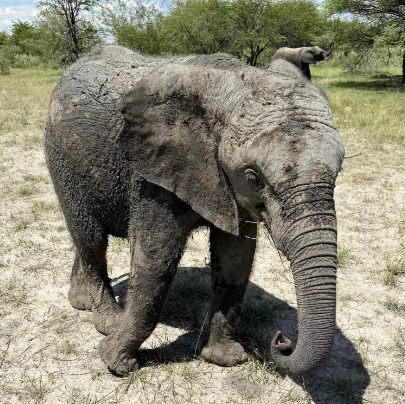
Angel (pictured to the right), at just eighteen months old, was found alone in Botswana’s panhandle after her mother likely succumbed to the region’s severe drought. Local residents spotted her wandering, and after several days of monitoring by Elephant Havens staff, and once it was clear that she was not going to be adopted by another elephant herd, the Department of Wildlife and National Parks approved her rescue. She arrived at Elephant Havens with a gentle nature, and quickly bonded with both her handlers and the other elephants, earning her name “Angel”. She’s now healthy, vocal, and never shy about asking for more milk.
Matsaudi (pictured below) came from a village only 25 minutes away. Her mother died after a conflict with a farmer, leaving the year‑old calf vulnerable and chased by people and dogs. Elephant Havens Co‑founder Boago “Bee” Poloko heard the commotion and, with DWNP’s help, brought her safely to Elephant Havens. Today, she’s settled, growing strong, and proudly playing big sister to Joy, another young orphan.
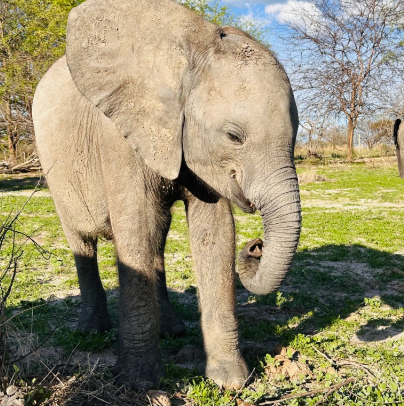
Their stories reflect the pressures elephants face from drought and human‑wildlife conflict — and the vital role Elephant Havens plays in protecting them. The foundation works closely with communities in the Delta, helping farmers cluster crops and build fencing, while teaching how to read elephant behavior and avoid unnecessary confrontation.
Angel and Matsaudi may have lost their mothers, but they’ve gained a safe, nurturing home — and a second chance — at Elephant Havens.
Sighting of the Quarter - Elusive Species at Tswalu
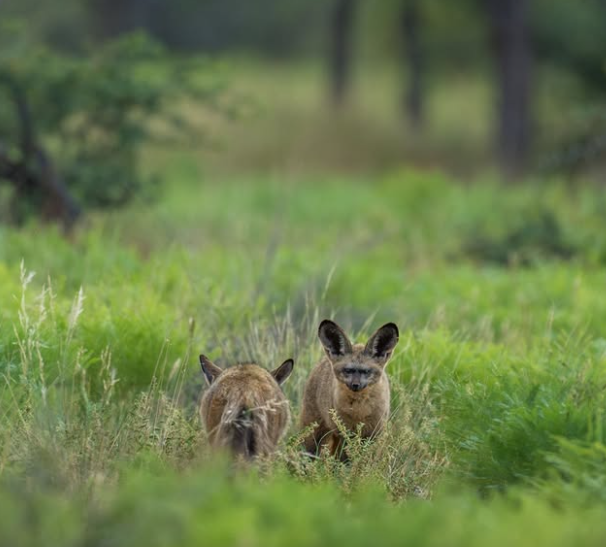
Winter at Tswalu Kalahari typically offers the best opportunity to observe some of the elusive, mainly nocturnal species associated with the reserve’s semi-arid ecosystem. As temperatures drop and daylight hours shorten, several elusive, secretive animals become increasingly active during crepuscular hours – late afternoon and early morning – when they can forage and move without the energy cost of midday heat or nighttime cold. For guests, this usually means a chance to spot bat-eared foxes, Cape foxes, aardvarks, brown hyenas, aardwolfs and even pangolins, that remain out of sight after dark during the warmer months.
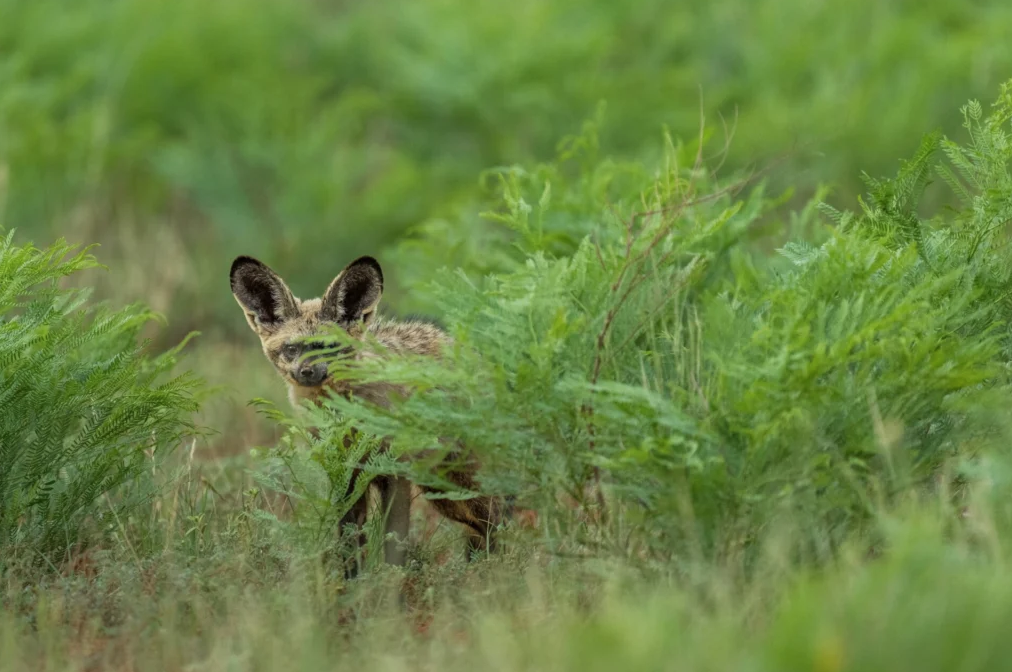
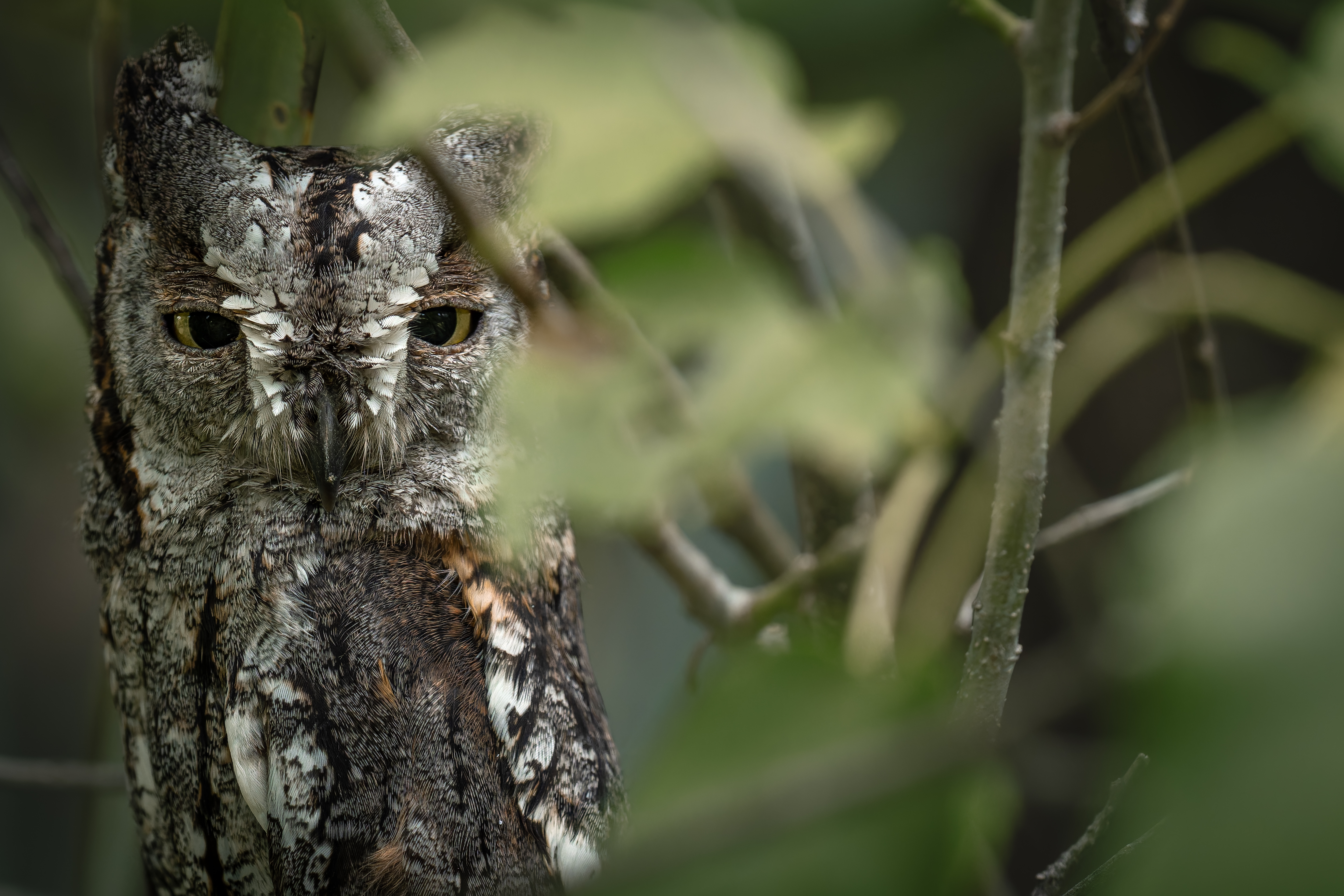
While the above-average rainfall in the past year is making the elusive animals even harder to encounter on game drives, the dense vegetation and ideal breeding conditions mean small carnivores and nocturnal species are thriving. These Bat-Eared Foxes were photographed by Marcus Westerberg.
Contact us to book your stay at Tswalu Kalahari, or to start planning your South African safari.
Recipe of the Quarter - Tangawizi Tea

Tangawizi Chai, Swahili for ginger tea, is a staple drink in Kenya; many families drink it every morning. Recipe adapted from We Eat At Last! by Kate Hahnel, which features other wonderful Kenyan recipes.
Ingredients
2 tablespoons black tea leaves
1 piece (5-10g, one inch) fresh ginger – pounded or sliced
2 cups of milk, plant or dairy
2 cups water
Sugar to taste, optional
Instructions
Add water and sliced ginger pieces to a medium-sized pot. Set it on the stovetop over medium heat. Allow to come to a boil and simmer for 5 minutes or more. Longer simmering results in a stronger ginger flavor.
Add tea leaves and sugar (optional) and simmer for an additional 2-5 minutes, depending on how strong you like your tea.
Add milk and bring to a boil once more, stirring constantly to avoid burning. Keep an eye on the pot to prevent it from spilling over.
Next, reduce the heat to low and let the tea settle. After simmering for at least 2 minutes, bring to a boil for a final time.
Once boiled, switch off the heat, and pass the ginger tea through a sieve to separate the tea leaves into a thermos flask or covered pot.
Pour into cups and serve hot.
NB: Feel free to adjust ratios to your liking – if you like a stronger cup, add more tea. If you want it less milky, feel free to reduce the amount of milk.
Readers' Submissions
This month, we're delighted to share some of the incredible photos submitted by recent travelers. Click here for this quarter's gallery of the best.
** If you have any photos, videos, and/or safari anecdotes that you would like to share with fellow "Classic Africans", please e-mail us (info@classicafrica.com) to be featured in future editions.
Let us help you plan your dream safari. call toll-free: 888.227.8311 or email us today
 |
|  |
|  Share
Share