       |
||
Rich Cultural Heritage
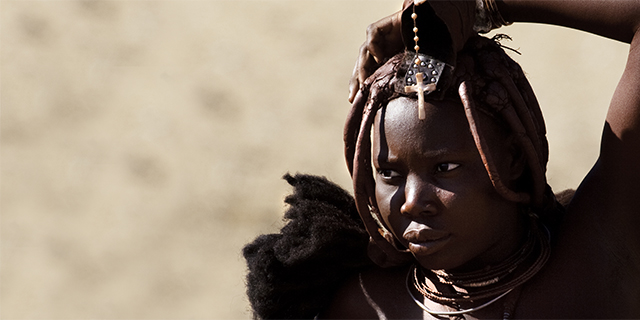
Safari Africa's cultural heritage predates history, by a long way. Much of our knowledge of early human evolution stems from archaeological evidence found in sites around East and southern Africa - Olduvia Gorge in Tanzania, the 'Cradle of Humankind' in South Africa, and Lake Turkana in Kenya are just three of the many important archaeological sites that have helped advance our understanding of hominids and early Homo sapiens. Few researchers today dispute that our species evolved on the high plains of East and southern Africa, before venturing out to populate the globe. Present day safari Africa is home to one of the most diverse and interesting cultural potpourris on earth - a total of 126 different languages are spoken in Tanzania, and Zimbabwe recognizes 16 official languages, more than any other country on earth. The high level of heterogeneity is the result of waves of immigration over the past two millennia as the original hunter-gatherers (like the Khoisan of southern Africa and Hadzabi of Tanzania) were successively followed by Bantu agriculturalists (like the Kikuyu in Kenya and Zulus in South Africa), Nilotic pastoralists (like the Maasai and Samburu in East Africa, and the Himba in Namibia), and finally European and Asian settlers. Many of these cultural groups retain their customs and traditional lifestyles in rural areas, and the opportunity to meet and interact with local people at safari camps or in their villages can be one of the highlights of the safari experience. At the other end of the spectrum, cities like Cape Town, Kigali, and Nairobi are sophisticated melting pots, presenting a fascinating insight into contemporary urban African culture. Each of the many peoples of safari Africa possesses a unique way of life, embodied in their socio-political and economic systems, spiritual and ritual practices, material culture (including art, architecture, clothing and adornments), music, cuisine, and daily-life activities. The Classic African cultural experience offers a rare opportunity to explore our common African past and gain insight into different 'ways of seeing', opening the pathways towards mutual human understanding and a celebration of our diversity. Let us help you plan your dream safari. call toll-free: 888.227.8311 or email us today
|
||
|